
The Ultimate Roof Leaks Guide: Detection, Prevention, and Professional Solutions
A roof leak is more than just an annoyance—it’s a race against time. By the time a water stain appears on your ceiling, the moisture has likely already traveled through your insulation, saturated your wooden
In this definitive guide, we’ll explore the common (and hidden) causes of water intrusion, how to track a leak back to its source, and why the "quick fix" often leads to long-term structural failure. Our goal is to move you from panic to a plan of action.
Understanding the Physics of a Leak
To fix a leak, you have to understand how water behaves on a sloped surface. Water rarely enters the roof directly above the drip point in your kitchen or bedroom. Instead, it follows the path of least resistance.
The "Run and Drip" Effect
Water can enter at a high point—like a
Capillary Action & Wind-Driven Rain
During a storm in Texas or Tennessee, wind can actually push water "uphill" or sideways under shingles that aren't properly sealed. This is known as capillary action. If your
Common Entry Points: Where the Shield Fails
Every roof has "weak links" where leaks are most likely to start. Understanding these helps you communicate better with your
1. Roof Shingles (The First Line of Defense)
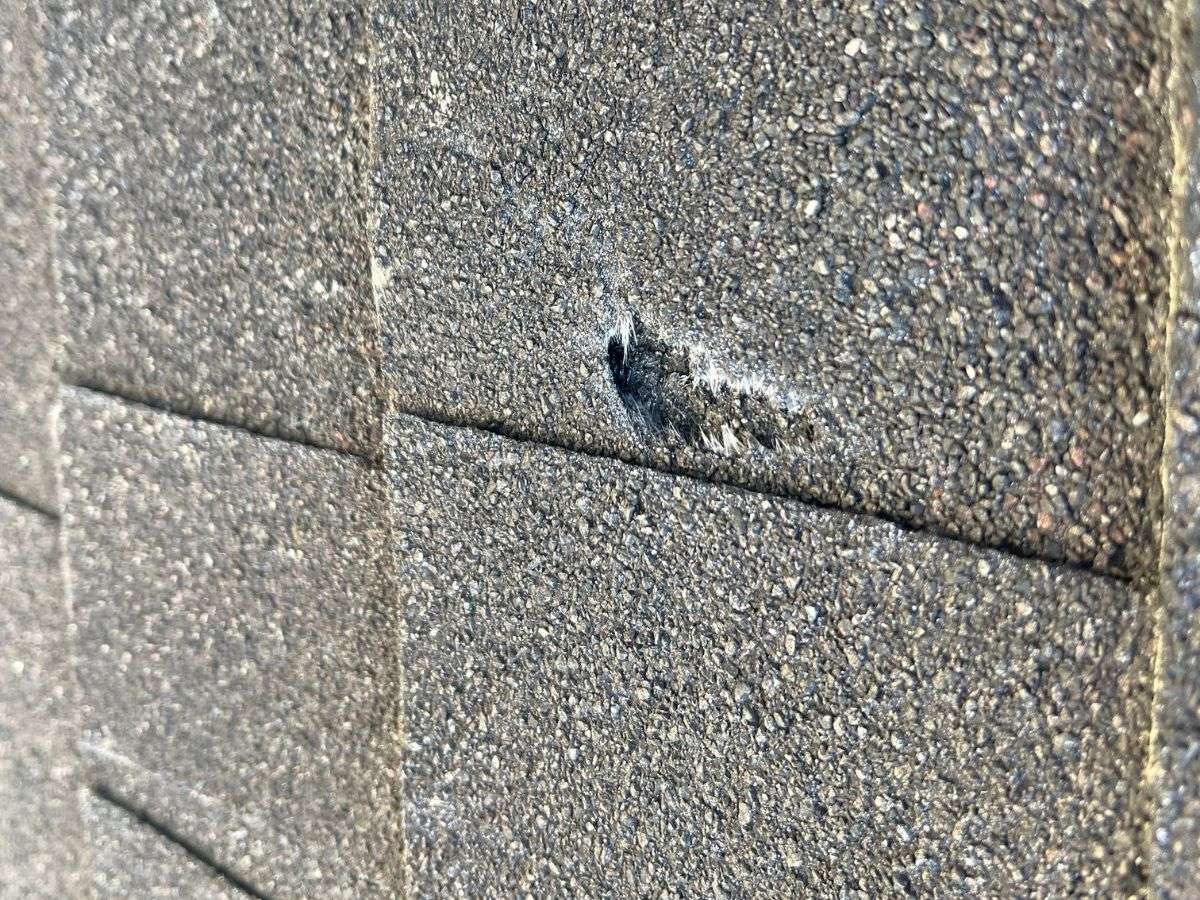
Your shingles take the brunt of the sun’s UV rays and the wind’s force.
-
The Damage: High winds can lift or "scuff" shingles, while heat causes them to become brittle. Once the protective granules are gone (check your
gutters -
The "Perforation" Risk: Every satellite dish, solar panel, or DIY repair adds a hole to your roof. Each nail is a potential entry point for water if it isn't sealed with professional-grade roofing cement.
2. Flashing (The Joints and Transitions)
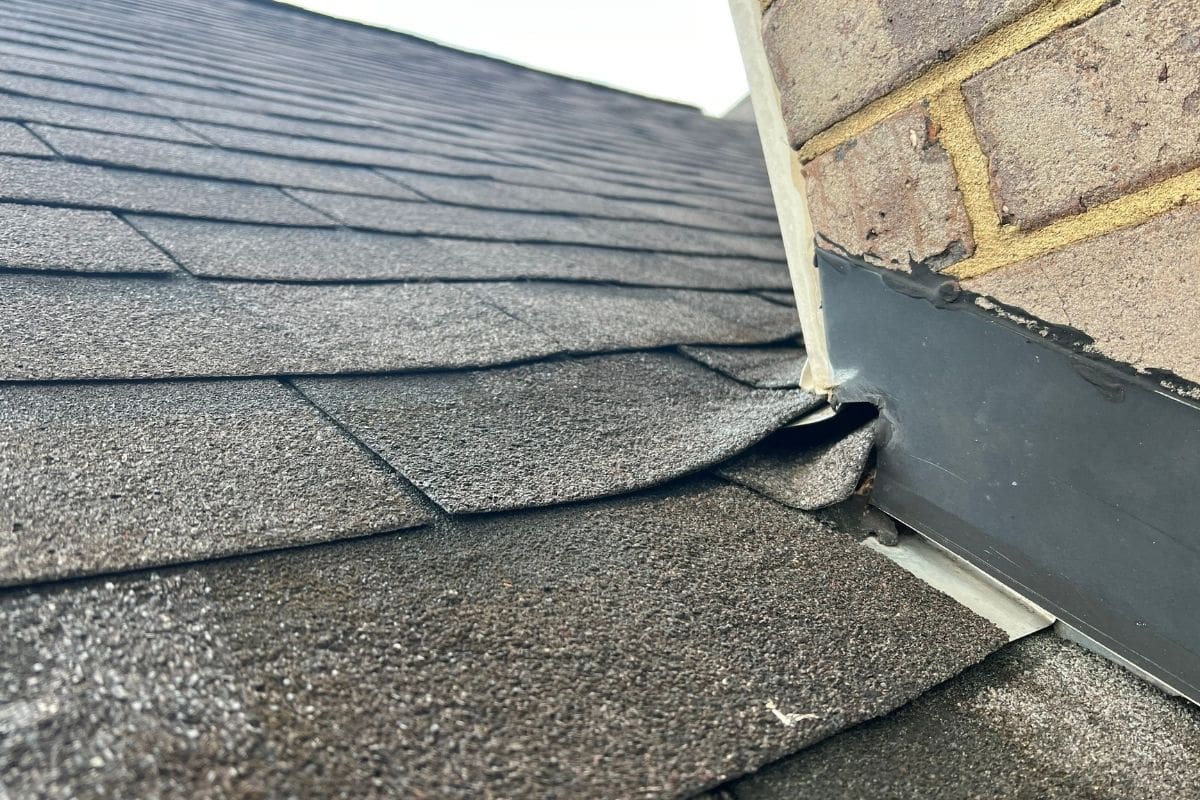
Flashing is the thin metal used to seal the most high-risk areas: chimneys, skylights, and valleys.
-
The Failure: Over time, the sealant around flashing dries out and cracks. In many "budget" roof replacements, contractors reuse old flashing to save money. This is a massive risk—reused flashing is prone to corrosion and rarely creates a watertight seal twice.
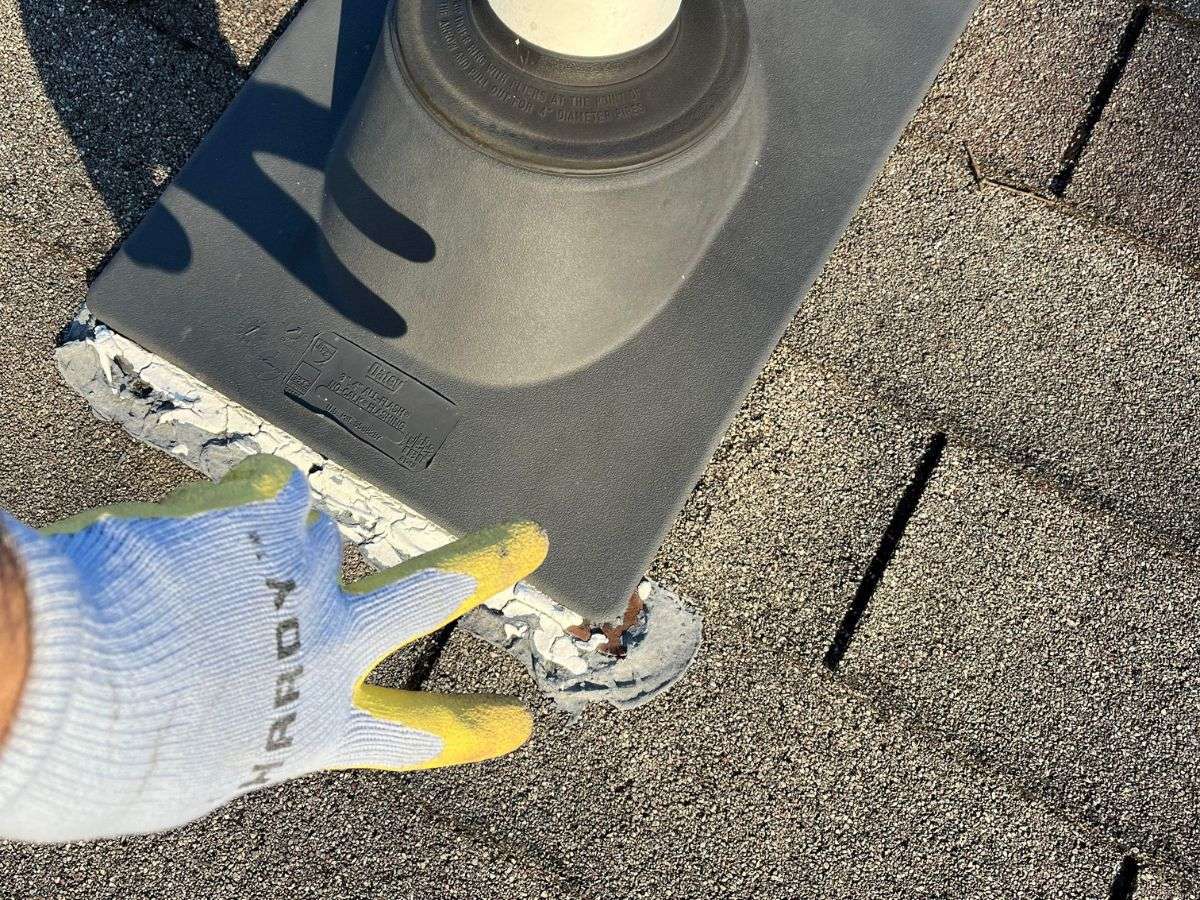
3. Vent Pipes & Boots
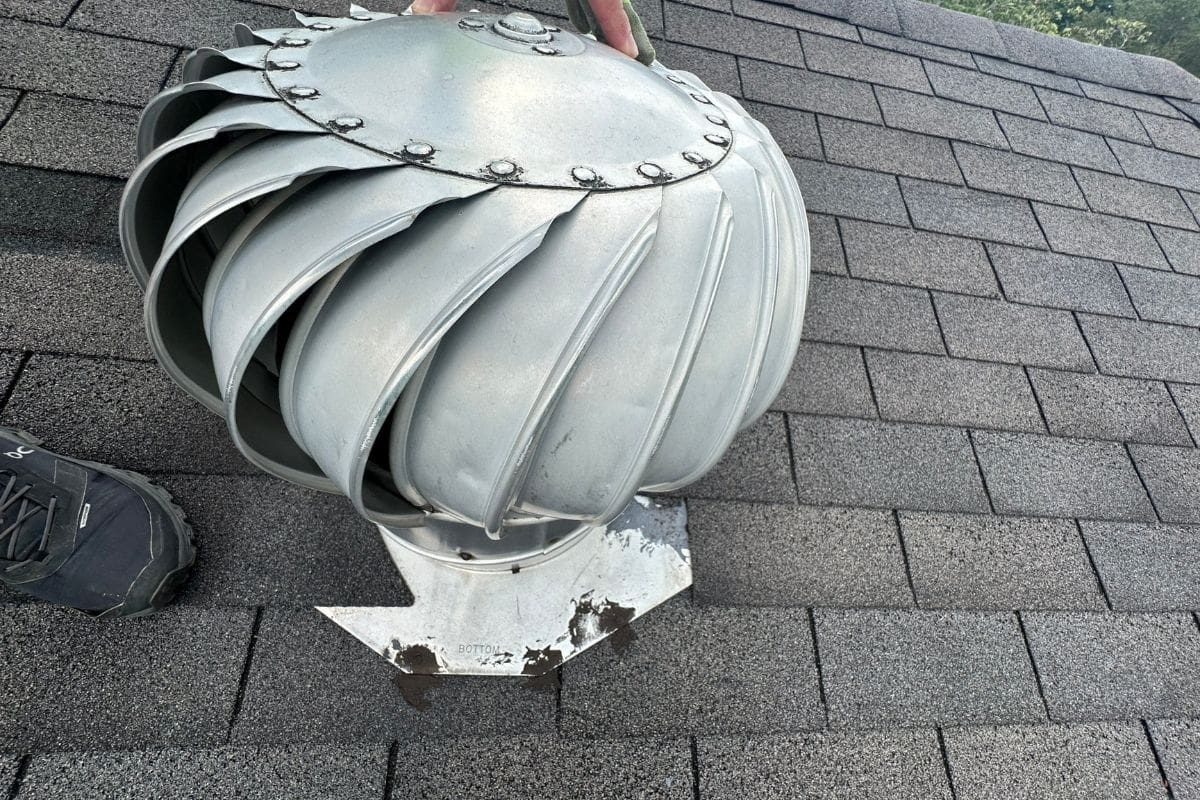
Plumbing vents are the "exhaust pipes" of your home. They are sealed with a rubber or neoprene "boot."
- The Lifecycle Mismatch: While shingles can last 20–30 years, rubber boots often dry out and crack in just 7–10 years. If you have a leak in a bathroom or laundry room, the vent pipe boot is the first place we look.
4. Chimneys and Skylights
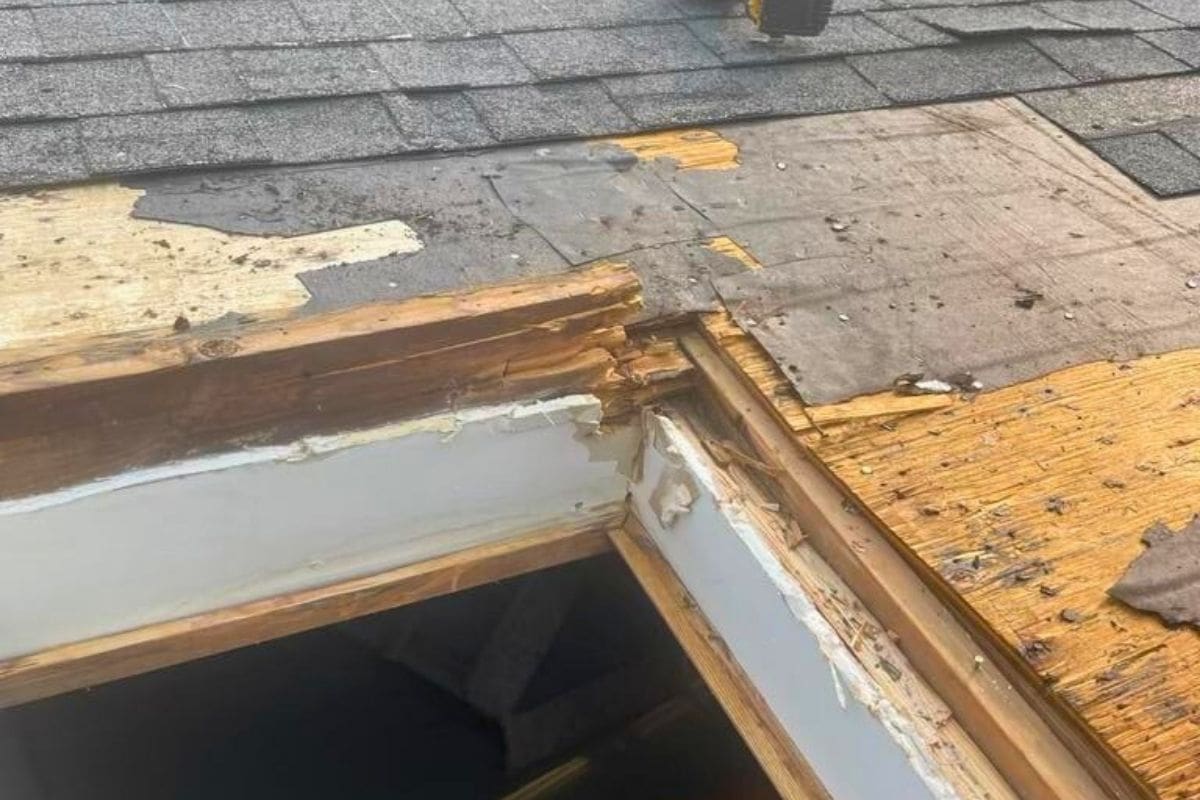
Anything that "breaks" the continuous surface of the roof is a liability.
- Chimneys: Water can seep through the bricks (masonry) or the base flashing.
- Skylights: These are essentially windows in your roof. If the drainage channels around the frame are clogged with leaves, water will pool and eventually force its way past the seals.
Professional Assessment (Why a "Patch" Isn't Enough)
It is tempting to climb a ladder and apply a tube of caulk once the sun comes out. However, a "quick fix" often traps moisture inside the roof's layers, which leads to hidden wood rot and black mold.
What a Professional Inspection Uncovers
When you book a
- Decking Integrity: We ensure the wood foundation hasn't become "soft" or delaminated from water saturation.
- Insulation Health: Wet insulation loses its R-value (insulating power) and must be addressed to prevent energy loss and mold.
- Warranty Protection: DIY repairs can actually void your
roofing warranty
Frequently Asked Questions
Q: How long do I have before mold starts to grow? A: Mold can begin to develop within 24 to 48 hours of a leak. This is why immediate water containment and professional drying are so important.
Q: Will my homeowners insurance cover a roof leak? A: If the leak is caused by a sudden storm or wind event, it is usually covered. If it’s caused by "lack of maintenance," it may be denied. We can help you document the damage for your
Q: Does Roof MD offer emergency tarping? A: Yes. We pride ourselves on being on-site within 48 hours to inspect, diagnose, and stabilize your roof to prevent further interior damage.
Don't Wait for the Next Storm: Book Your Inspection
A roof leak is a symptom of a larger problem. Ignoring a small drip today almost always leads to a
At Roof MD, we pride ourselves on being on-site within 48 hours to provide a comprehensive inspection. We'll identify the entry point, assess the structural damage, and provide a transparent plan to restore your home’s shield.