The Ultimate Realtor Roofing Guide
A realtor’s role has expanded beyond just sales; they’re now key advisors who need to understand a property from top to bottom. The roof is at the top of that list. A well-maintained roof is a major asset that can help close a deal, while a compromised one can derail it.
A failing roof can have serious financial and structural consequences. Most roof inspections uncover a problem with the roof, ranging from minor issues like cracked shingles to major leaks or structural damage. These issues can make it hard for a buyer to get a mortgage, as lenders and appraisers are wary of properties with known water damage or other serious deficiencies. Being able to proactively address these concerns can prevent them from killing a transaction.
In this guide, we cover everything a real estate agent should know about roofing, so you can help your clients navigate roofing issues and the sales process.
Realtor Roofing Guide: The Role of a Professional Roof Inspection

A professional roof inspection is a crucial step in any real estate transaction. Unlike a standard home inspection that might only catch major visible problems, a specialized roof inspection is a detailed process designed to uncover hidden issues that could lead to long-term damage. A roofing expert will meticulously examine every component, providing a clear plan for any necessary maintenance or repairs before the property even goes on the market. This proactive approach can eliminate surprises, which strengthens the seller’s negotiating position and builds buyer confidence.
A comprehensive inspection typically includes:
- Exterior Inspection: The inspector will check for red flags from the ground, like missing shingles or a sagging roofline. Then, they’ll get on the roof for a closer look at key components:
-
Shingles and Tiles: They’ll look for cracked, curled, damaged, or missing shingles, and assess for granule loss on asphalt shingles, which is a sign of significant wear and tear and old age.
-
Flashing and Penetrations: The inspector will examine the material around chimneys, roof to walls, vents, and skylights for rust or loose parts, as damaged flashing is a very common source of roof leaks.
-
Gutters and Downspouts: Although not part of the roof’s surface, the drainage system is vital for its performance. The inspector will check for clogs or proper alignment, as a bad system can cause water to back up and damage the roof and foundation.
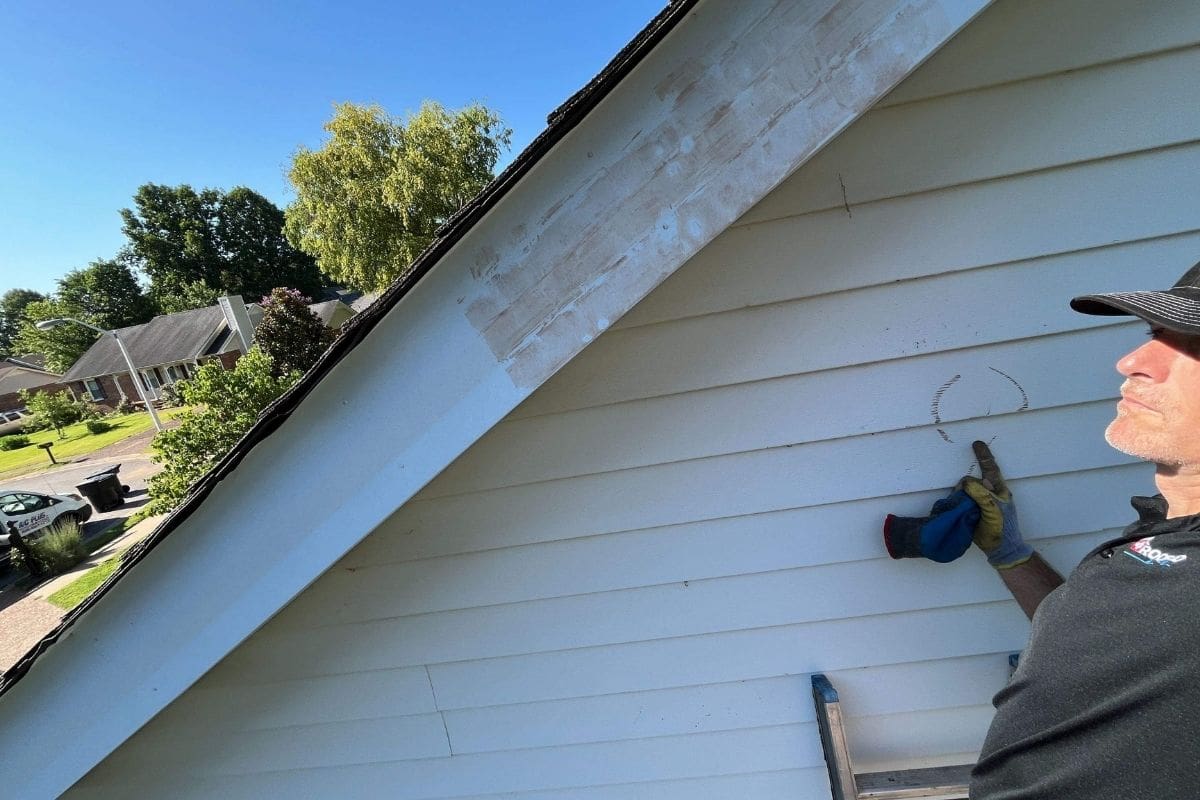
The inspection report should be a clear, comprehensive document with photos of problem areas, a list of issues, and recommended actions. A good report will also summarize the findings and rate the roof’s condition. A realtor that can understand this report and explain to their clients that a small ceiling stain may be a symptom of a larger issue like damaged flashing or missing shingles can better manage expectations and accurately gauge the cost of repairs.
Repair or Replacement: A Critical Decision
A roof’s condition is a major factor in any real estate transaction, and understanding the difference between a repair and a full replacement is critical for both home buyers and sellers. The appropriate course of action depends on the scope and severity of the issues.
Repair: Addressing Minor Issues
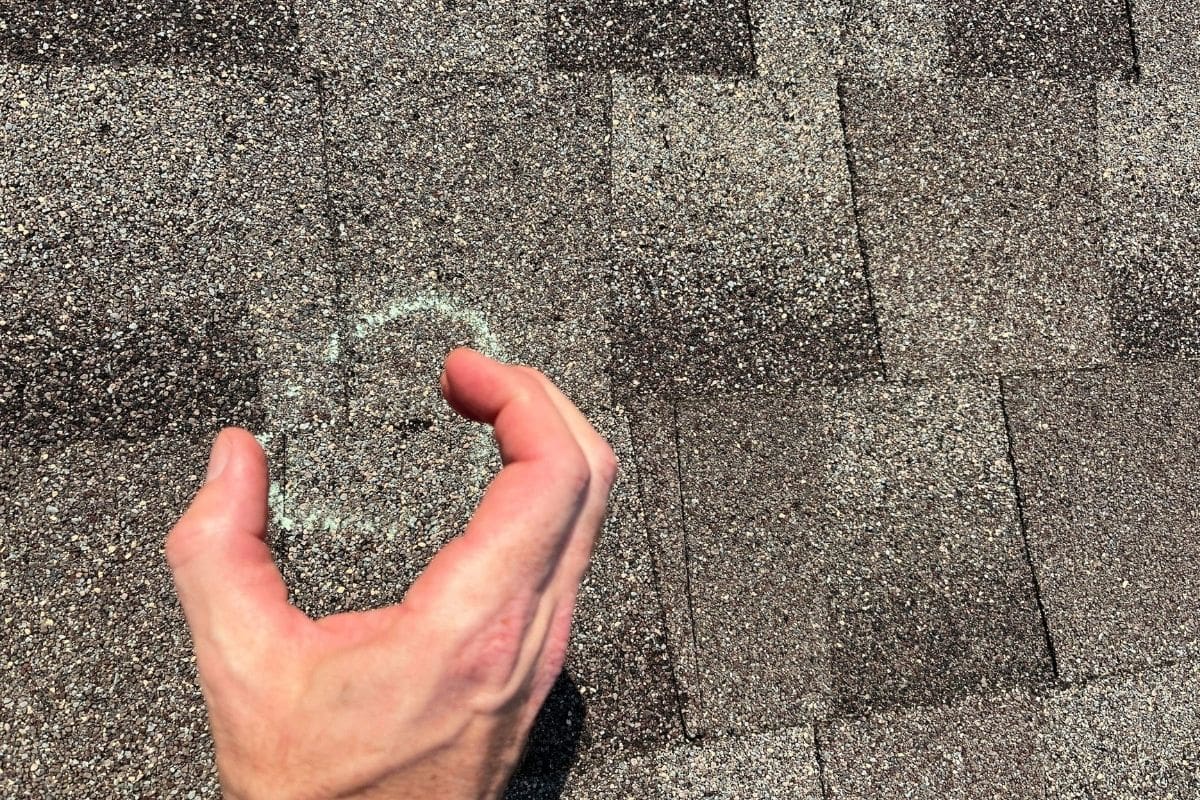
Generally, minor issues can be solved with a targeted repair. This is the case for problems that are localized and haven’t compromised the roof’s widespread integrity.
- Minor Flashing Issues or a Few Missing Shingles: These are typically manageable repairs that can be completed quickly.
- Small Leaks: If a leak is small and its source can be easily identified, a patch can be done. However, leaks can be complex and may take a large portion of a day to repair if the source is hard to find.
Replacement: When a Full Overhaul is Necessary
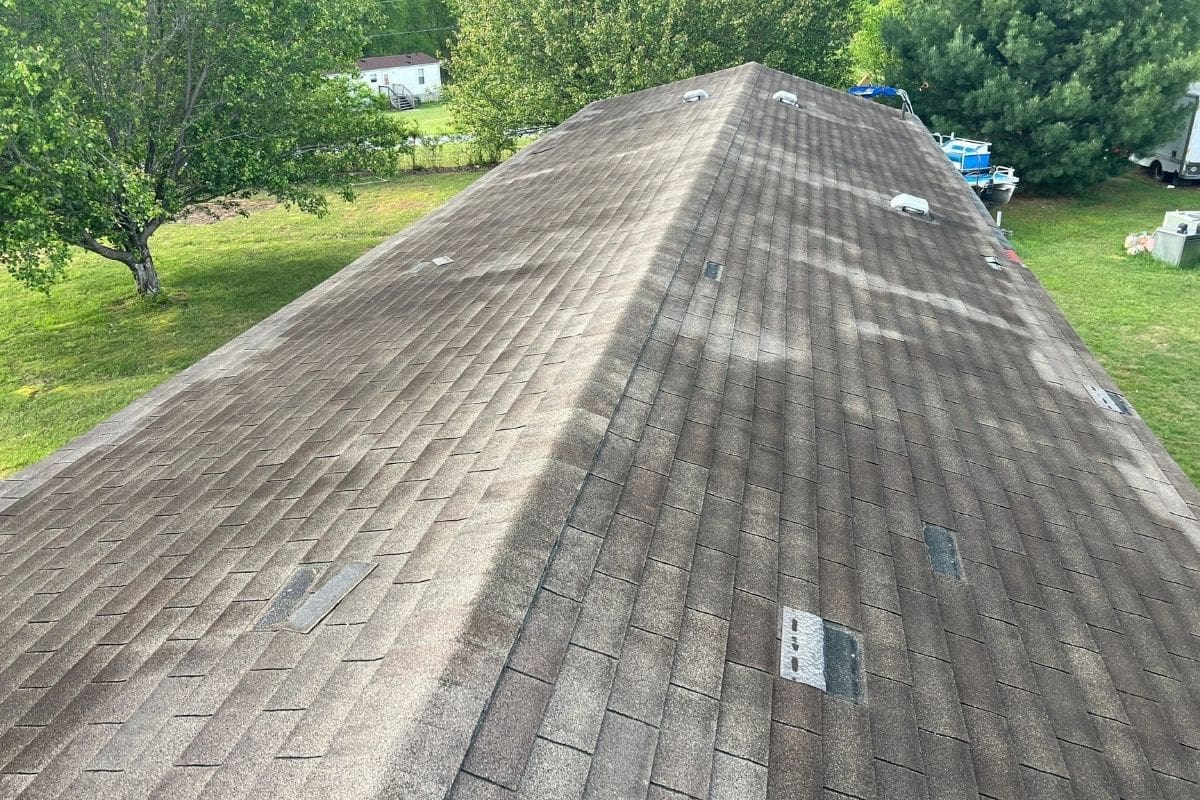
A full replacement is the only viable long-term solution when there are widespread or structural problems. This is often the case for aging roofs or those with extensive damage.
- Widespread Shingle Curling or Severe Granule Loss: These are signs that a roof is past its lifespan and has lost its integrity.
- Compromised Structural Foundation: A sagging or uneven roofline is a serious red flag that could indicate incorrect sheathing thickness, water damaged roof deck, or a fundamental structural weakness, possibly due to excessive weight or water damage.
- Multiple Leaks or Widespread Mold: When a home has multiple leaks, severe mold, or compromised sheathing, a full replacement is often the best option.
Also keep in mind that if the damage was sustained in a storm or weather event, then the seller could qualify for a homeowner’s insurance claim to help address the issues. Learn more about insurance claims here.
Project Timelines: Setting Expectations
The timeline for a full replacement depends on the roofing material and the complexity of the job. A reputable contractor will provide a clear project plan.
- Asphalt Shingles: This is the most common and fastest material to install. The replacement can often be completed in as little as one to two days.
- Metal Panels: These require precise measuring and cutting, possibly leading to a longer timeline, but in most cases is still 1 to 2 days.
- Wood Shakes: The installation is time-consuming as each shake is carefully placed, which can take anywhere from 1 to 3 days.
- Tile/Concrete: These materials are heavy and fragile, requiring careful handling and often a reinforced structure, with an average timeline of 1 to 3 days.
Vetting Your Roofer: The Realtor Red Flags
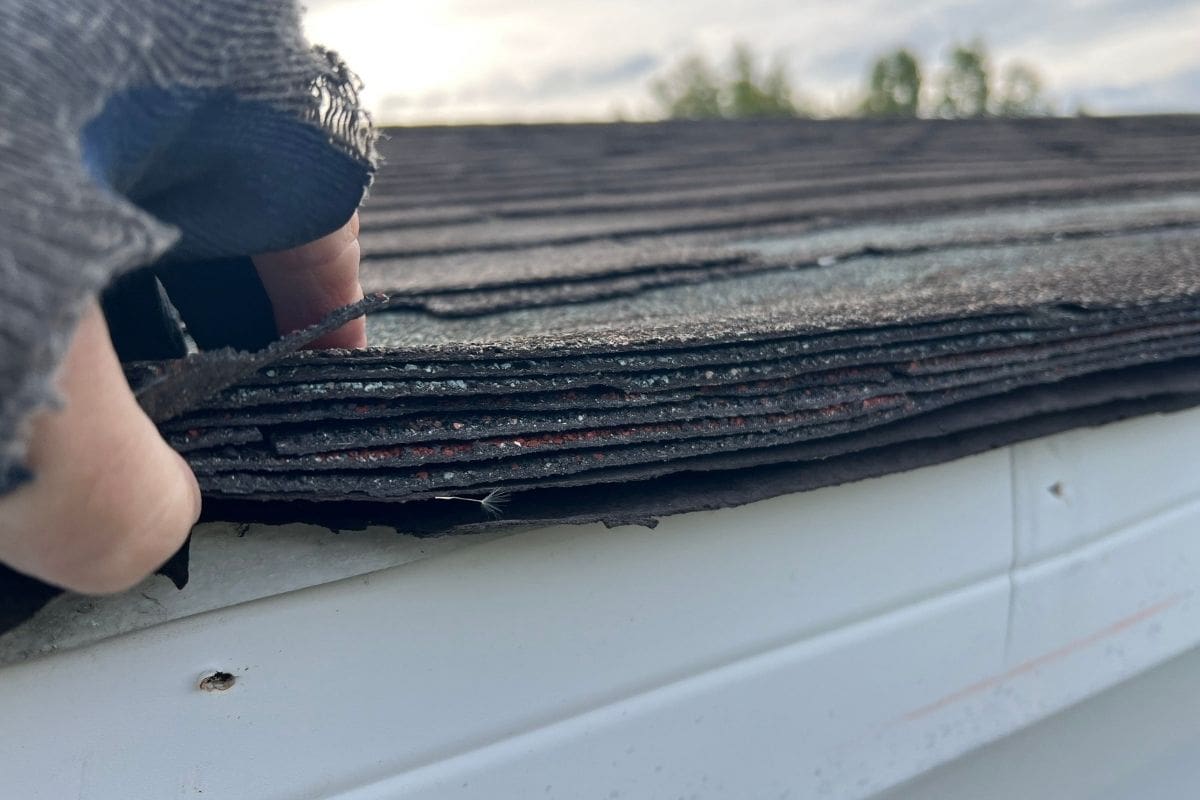
A real estate agent’s reputation is built on trust, and every referral they make is an extension of their professional brand. That’s why partnering with a reputable roofer is non-negotiable. Be wary of “storm chasers,” who are unreliable contractors that show up uninvited after severe weather events.
Here are some red flags to watch out for:
- High-Pressure Sales: Scammers might use limited time offers or suspiciously low prices to pressure a quick decision.
- Vague Estimates: They may provide vague estimates or skip a written contract altogether.
- Large Upfront Payments: Be cautious of anyone demanding a large deposit or the entire cost upfront, as this is a common tactic for scammers. Check your state’s laws. Tennessee only allows contractors to request 1/3 of the total contract up front before starting work, which is reasonable to cover some of their up-front material costs.
- Lack of Licensing and Insurance: This is a non-negotiable red flag. Without these credentials, the client is vulnerable to liability if something goes wrong.
As a gatekeeper, a realtor can guide their clients to a trusted partner. A good roofing company will be licensed and insured, provide a detailed written estimate, have a fair payment schedule, and be able to provide references and a portfolio of past work. Certifications from manufacturers like Owens Corning or the Better Business Bureau are also a strong indicator of quality and superior warranties.
A Strategic Partnership with Roof MD
For a Tennessee realtor, a deep understanding of roofing is no longer a niche skill, it’s a foundational competency. By partnering with a single, highly vetted professional like Roof MD, realtors can simplify the process and elevate their own professional standing.
Roof MD is more than just a roofing contractor; we are a dedicated partner who understands the real estate market. Our value proposition is built on transparent pricing, accurate timelines, and superior customer service. As an Owens Corning Platinum Preferred Contractor, we provide realtors and your clients with top-tier materials and workmanship backed by the industry’s finest warranties.
A partnership with Roof MD allows realtors to offer clients a seamless experience, including free, no-obligation consultations that provide a clear assessment of the roof’s condition. This strategic alliance helps realtors proactively address roofing issues, protect their clients from liabilities, and ensure that every transaction proceeds smoothly, helping them sell homes faster and for a higher value.