
30 Roofing Shortcuts of a Bad Roofers
When comparing roof replacement quotes, a bid that's significantly lower than the rest can seem like a great deal. However, that low price often comes at a hidden cost. Unscrupulous roofers achieve these prices not through efficiency, but by deliberately cutting corners, skipping essential materials, and rushing through critical installation steps.
This post will expose the specific technical shortcuts they take—from improper shingle and flashing installation to omitting foundational work—and show you how these omissions can compromise your home's integrity and lead to a costly nightmare down the road.
Roofing Shortcuts - 1. Using Mismatched Shingle Color Batches
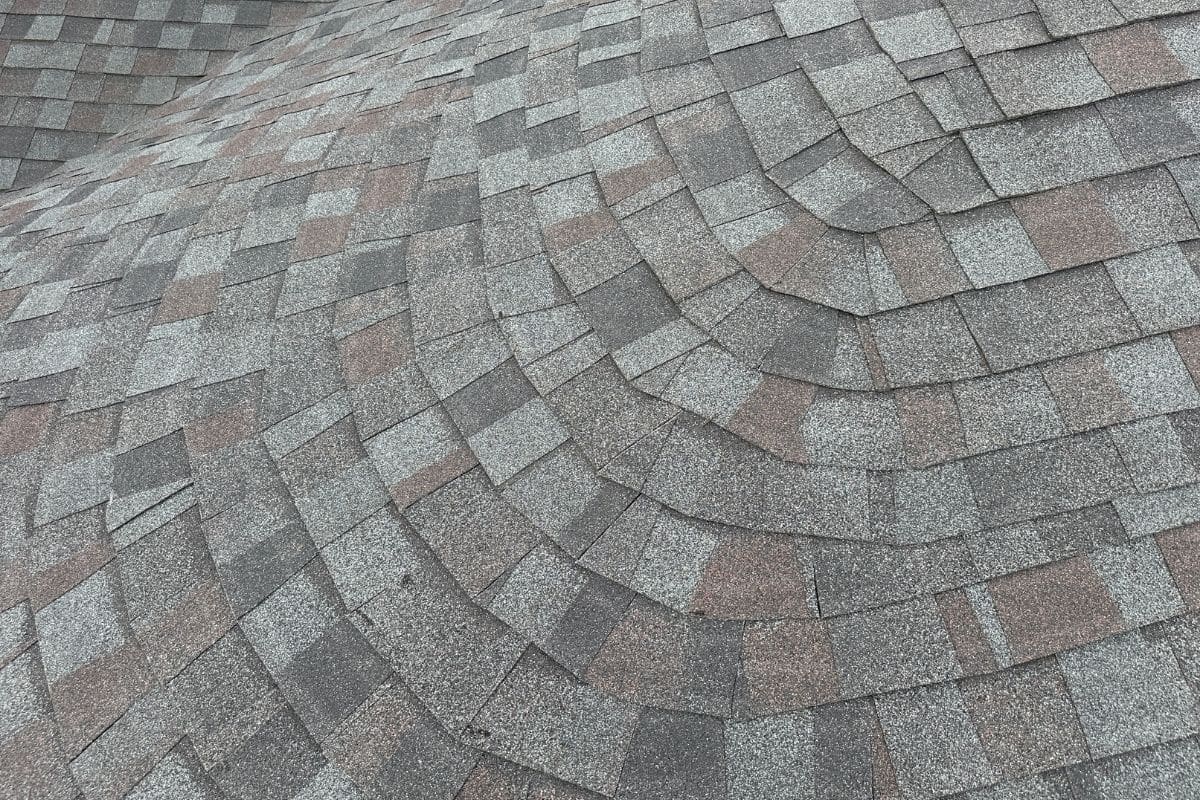
Problem: Shingles from different manufacturing branches and batches can have slight color variations. When installed without being from the same plant and batch, it can result in a roof with a patchy, checkered, or striped appearance.
Impact: This is primarily an aesthetic issue, but it can significantly detract from a home's curb appeal and potentially lower its value. It's often a sign of an inexperienced or careless roofer. Because different batches may have slight defects, some areas of the roof may age or degrade faster.
Proper Procedure: A professional roofer will order all the shingles for a job from a reputable distributor to ensure they come from the same branch and batch. This ensures a uniform look and wear pattern.
2. Omitting Drip Edge Flashing
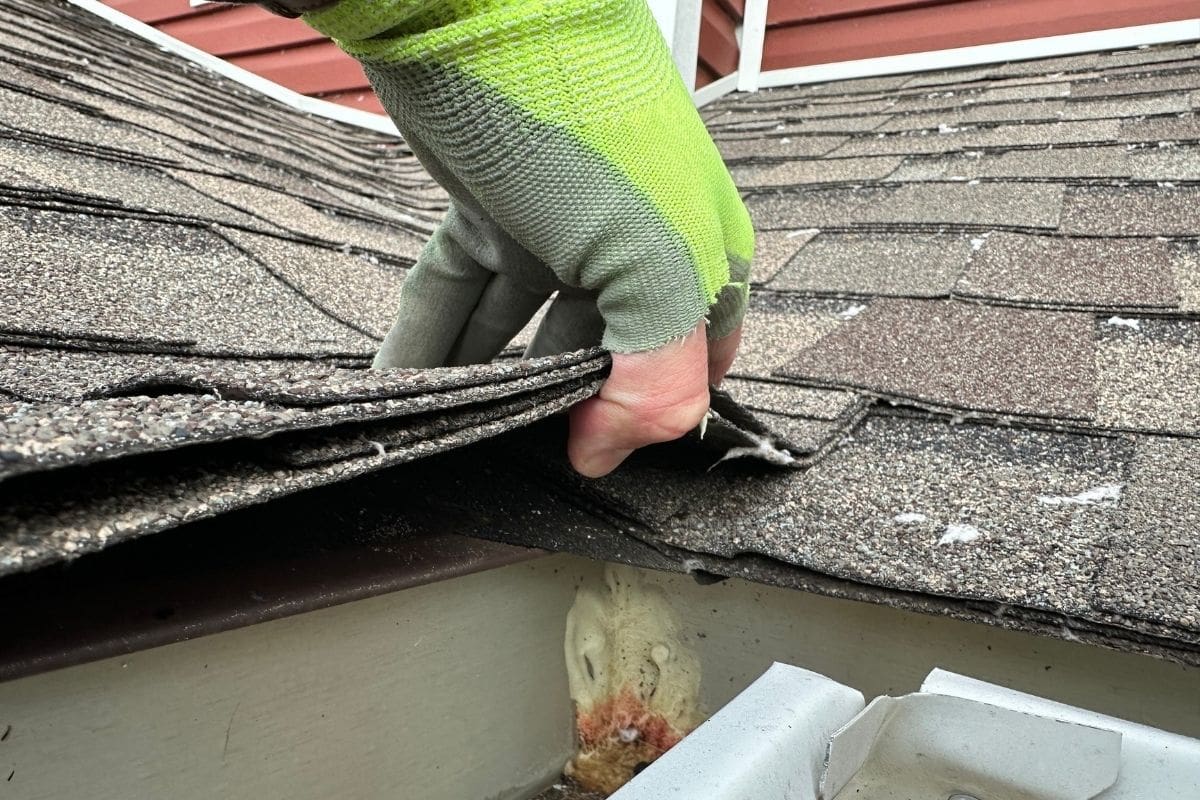
Problem: Drip edge flashing is a metal strip installed at the edge of the roof to direct water away from the fascia and wood sheathing and into the gutters. Without it, water can get behind the gutters, rotting the fascia, soffit, and roof decking.
Impact: This shortcut can lead to costly water damage, including wood rot, mold growth, and pest infestations.
Proper Procedure: Drip edge flashing should be installed on all eaves and rakes (the sloped sides) of the roof. At the eaves, it is installed before the ice and water shield and underlayment. On the rakes, it is installed after the underlayment.
3. Skipping Ice and Water Shield in Valleys
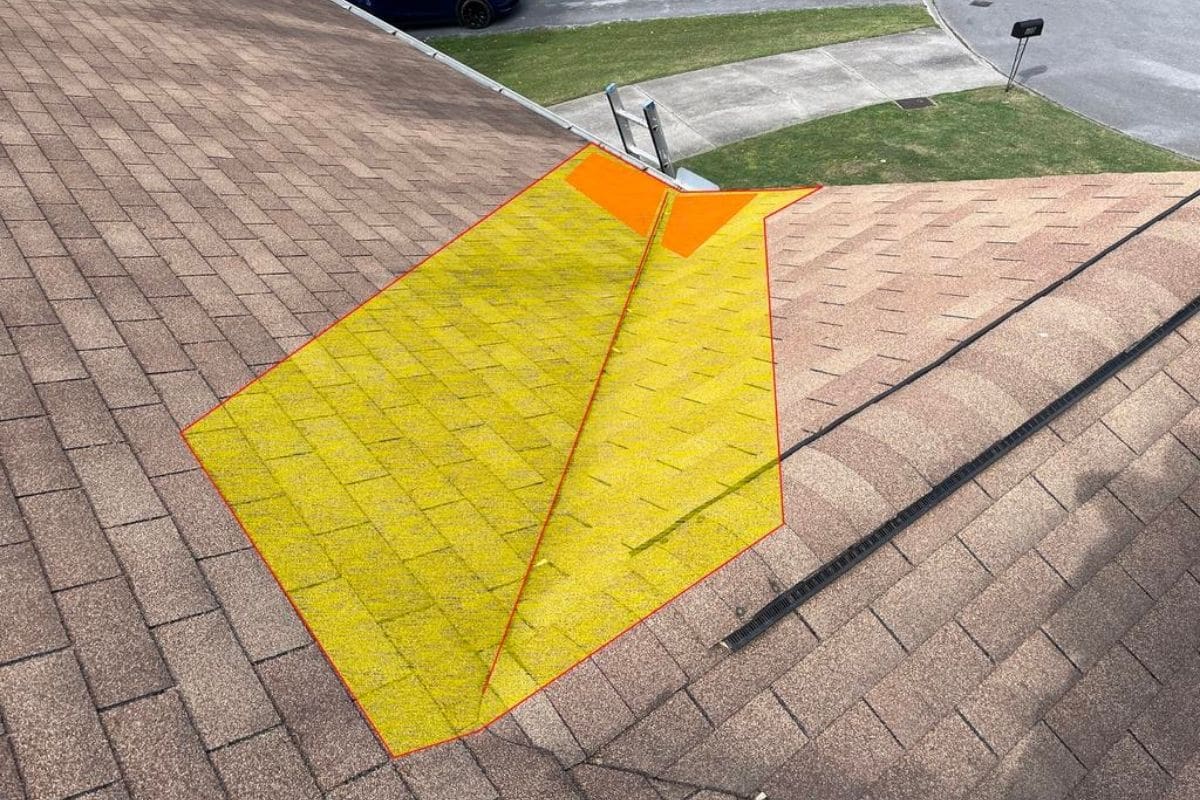
Problem: Valleys are where two roof slopes meet, and they handle a large volume of water runoff. An ice and water shield is a self-adhering, waterproof membrane that is installed under the shingles and provides a critical extra layer of protection in these vulnerable areas.
Impact: Without an ice and water shield, valleys are extremely prone to leaks, especially during heavy rain or snow. Ice dams can also form in valleys, forcing water under the shingles and into the home.
Proper Procedure: An ice and water shield should be installed in all valleys before the shingles are installed. The membrane should be centered in the valley and extend at least 18 inches on each side.
4. Reusing Old Vent Flashings
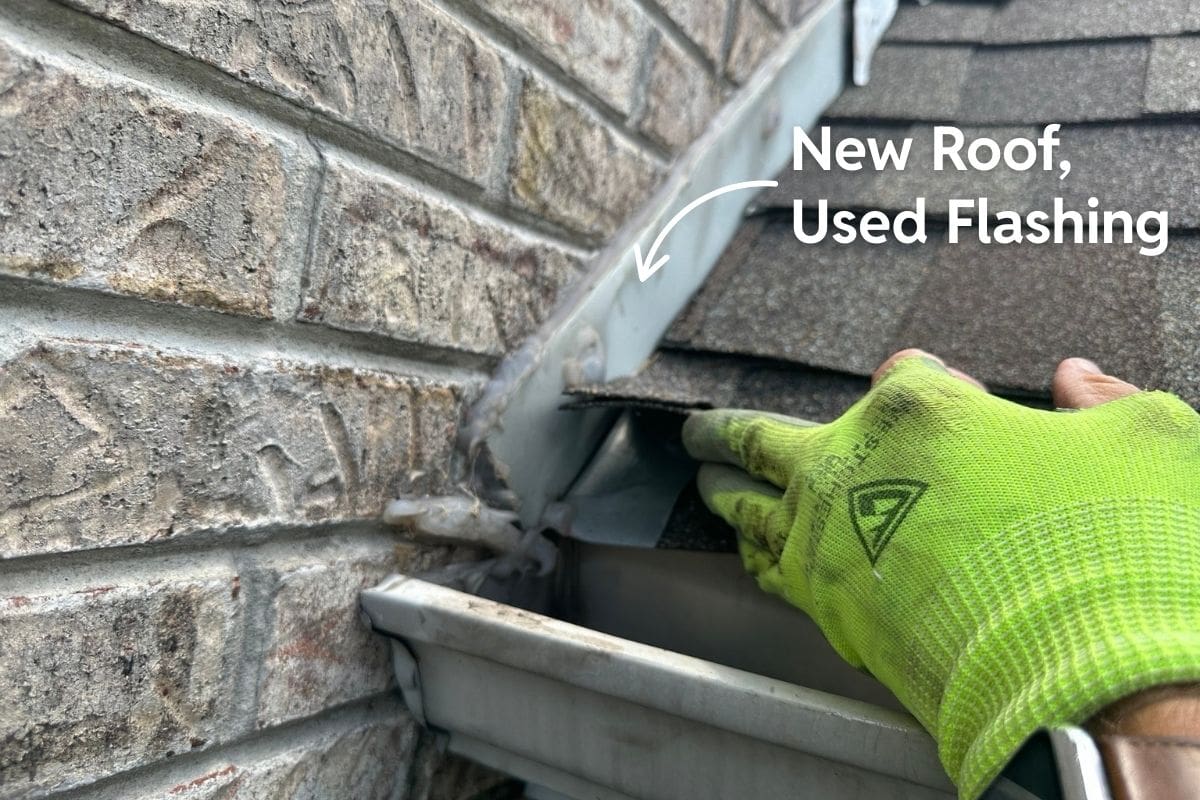
Problem: Vent flashings are the metal or plastic pieces that seal around roof penetrations like plumbing vents. They can become cracked, corroded, or damaged over time. Reusing old flashings with a new roof is a common but risky shortcut.
Impact: Damaged or improperly sealed vent flashings are one of the most common sources of roof leaks.
Proper Procedure: Vent flashings should always be replaced when a new roof is installed. The new flashing must be properly integrated with the shingles and sealed to create a watertight barrier.
5. Failing to Replace Old Sidewall and Chimney Flashings
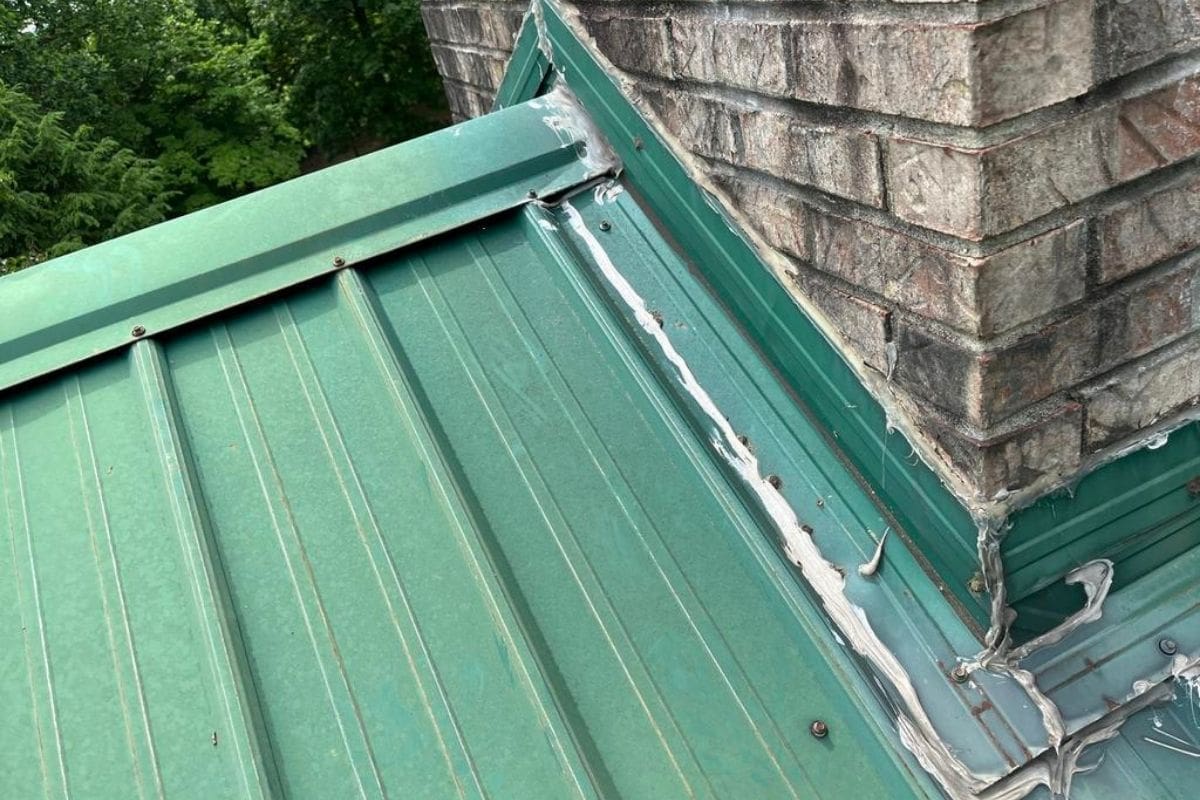
Problem: Sidewall and chimney flashings are critical for preventing leaks where the roof meets a vertical surface. Like vent flashings, these metal components deteriorate over time and lose their seal.
Impact: Failing to replace old or damaged flashing can lead to serious water damage to the roof deck, attic, and interior of the home.
Proper Procedure: All old sidewall and chimney flashings should be removed and replaced during a roof replacement. New flashing should be properly layered (using step and counter-flashing techniques) and sealed to create a durable, watertight barrier.
6. Using Cut 3-Tab Shingles for Ridge Caps
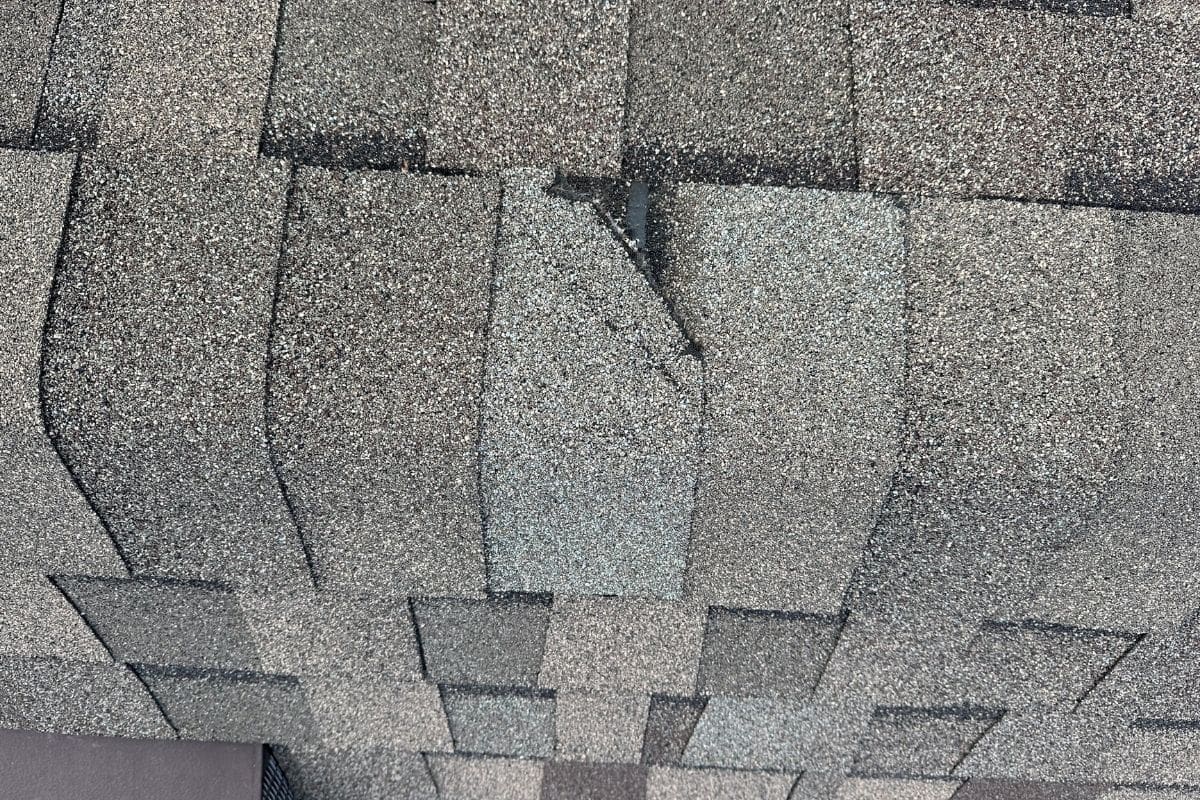
Problem: While it's a long-standing shortcut to cut standard 3-tab shingles to create ridge caps, these pieces are not as durable or wind-resistant as shingles specifically designed for this purpose.
Impact: Cut 3-tab shingles are more likely to crack, blow off in high winds, and fail prematurely, leaving the most vulnerable part of the roof—the ridge—exposed to leaks.
Proper Procedure: Use manufacturer-made hip and ridge cap shingles. These are thicker, more flexible, and designed to withstand the high-stress conditions and wind exposure at the roof's peak.
7. Using Incorrect Nailing Techniques or Fasteners
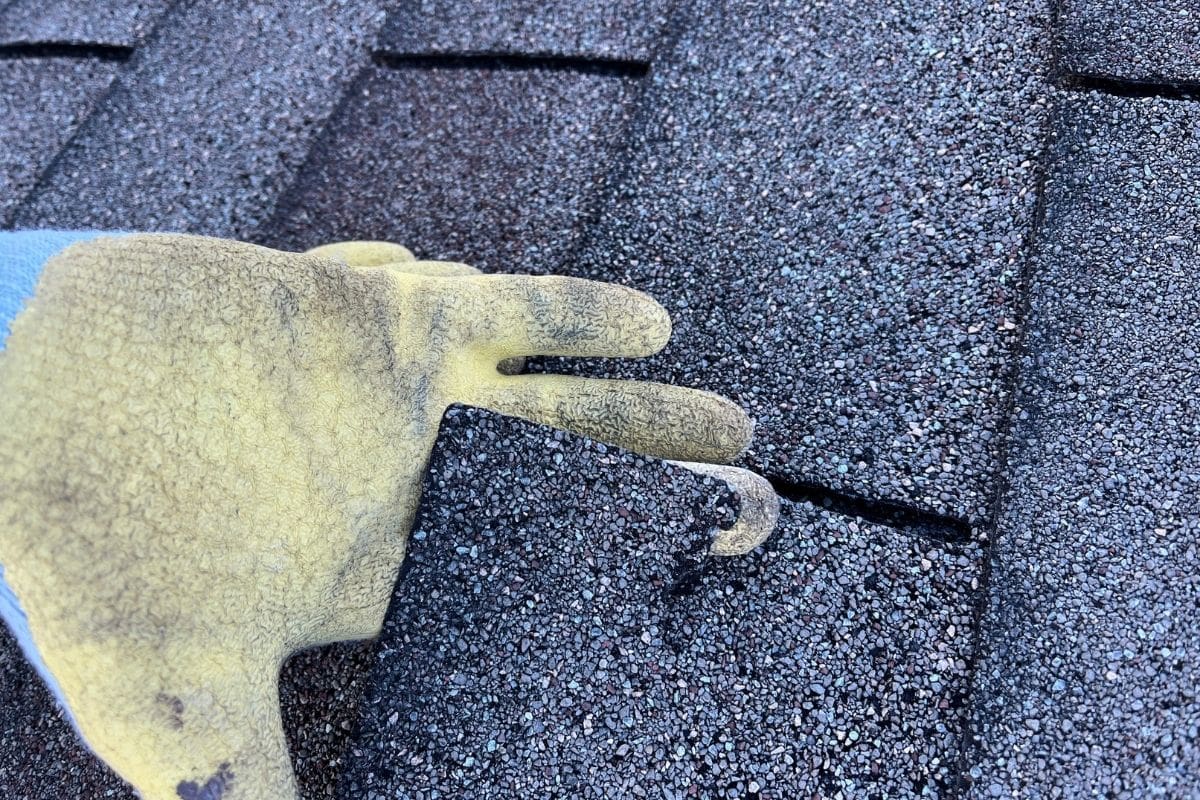
Problem: Shingles must be nailed in a specific pattern with the correct number of nails. Overdriving nails can cut into the shingle, while under driving them can leave them loose and prevent the shingle above from sealing. Using the wrong fasteners, like staples, is also a major error. Missing the nail zone can also be a large problem as there is only a small zone designed to hold a nail without tearing and results in the nail penetrating all layers of the shingle.
Impact: Improperly nailed shingles are much more likely to be blown off by the wind, leading to leaks and costly repairs. This will also void the manufacturer's warranty. Missing the nailing zone can lead to delamination and separation of the shingle overtime which causes slippage and tears.
Proper Procedure: Follow the manufacturer's specific nailing instructions, which dictate the number of nails per shingle (often 4, or 6 in high-wind areas), the precise placement of the nails, and the type of nail to use.
8. Incomplete Underlayment Coverage
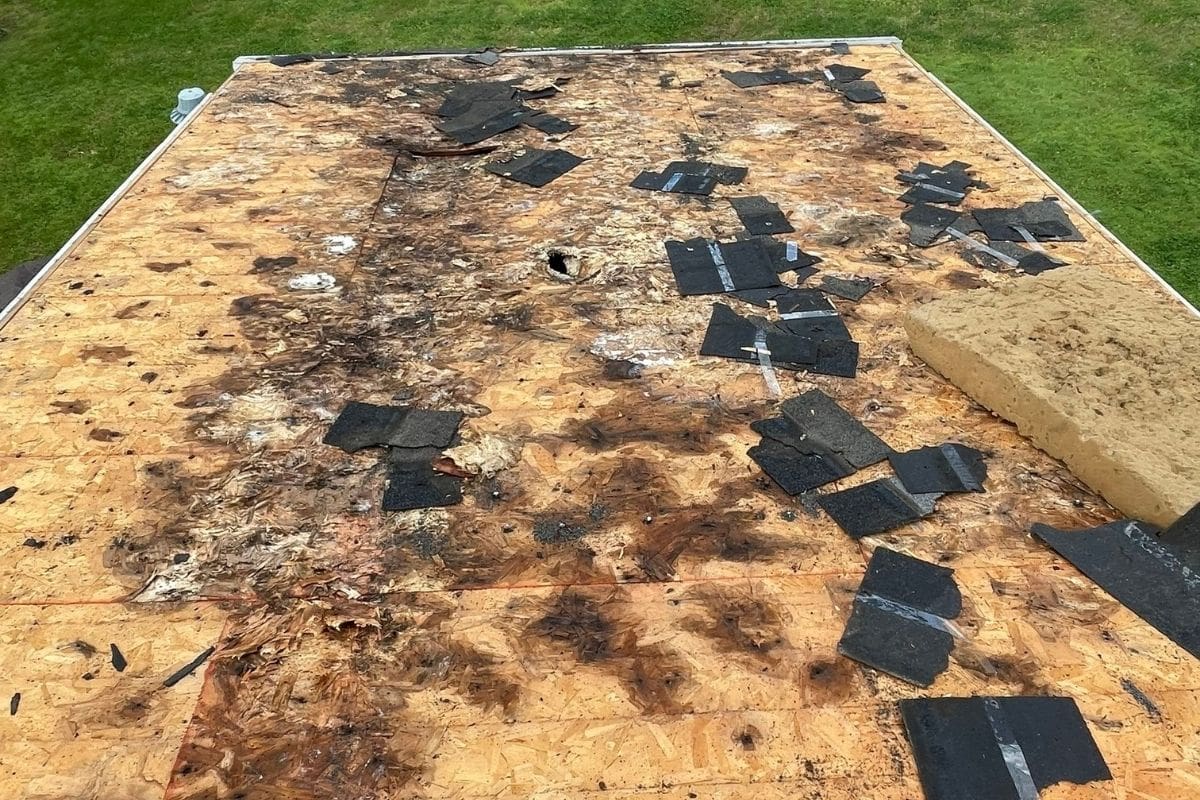
Problem: Underlayment (or felt paper/synthetic) is a water-resistant barrier installed between the sheathing and the shingles. It provides a crucial secondary layer of protection against leaks.
Impact: Without complete underlayment coverage, the roof is more vulnerable to leaks from wind-driven rain, ice dams, and any water that gets past a damaged shingle.
Proper Procedure: The entire roof deck should be covered with an approved underlayment before any shingles are installed.
9. Incorrect Shingle Overlap and Spacing
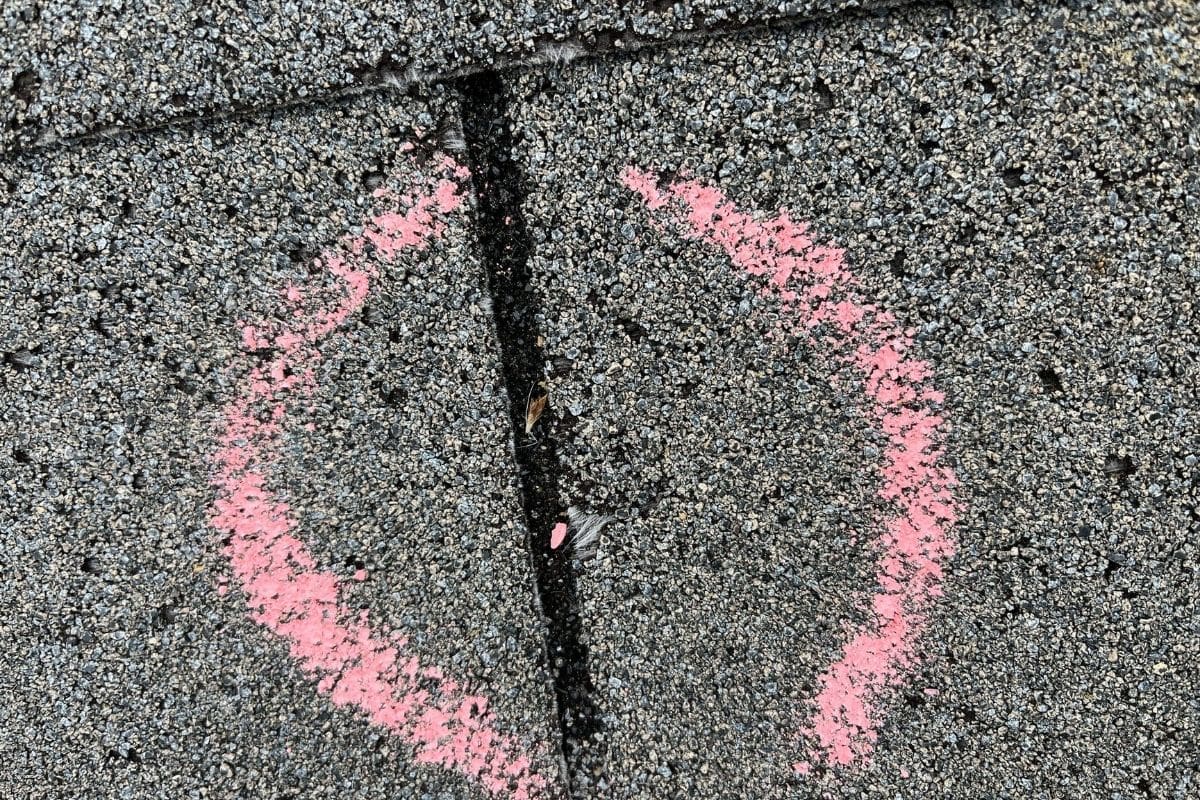
Problem: Shingles are designed to be installed with a specific overlap (called exposure) to ensure water is shed properly from one course to the next. Incorrect spacing or alignment can create gaps and expose the underlying shingle or fasteners. By “stretching” the courses, or not properly overlapping enough, a roofer can use less shingles on an install and pocket the unspent money.
Impact: Improper overlap and spacing can lead directly to leaks and make the roof more susceptible to wind damage.
Proper Procedure: Follow the manufacturer's instructions for shingle alignment and exposure. Professional roofers use chalk lines to ensure the shingles are installed in straight, evenly spaced rows.
10. Using Low-Quality, Cheap Shingles
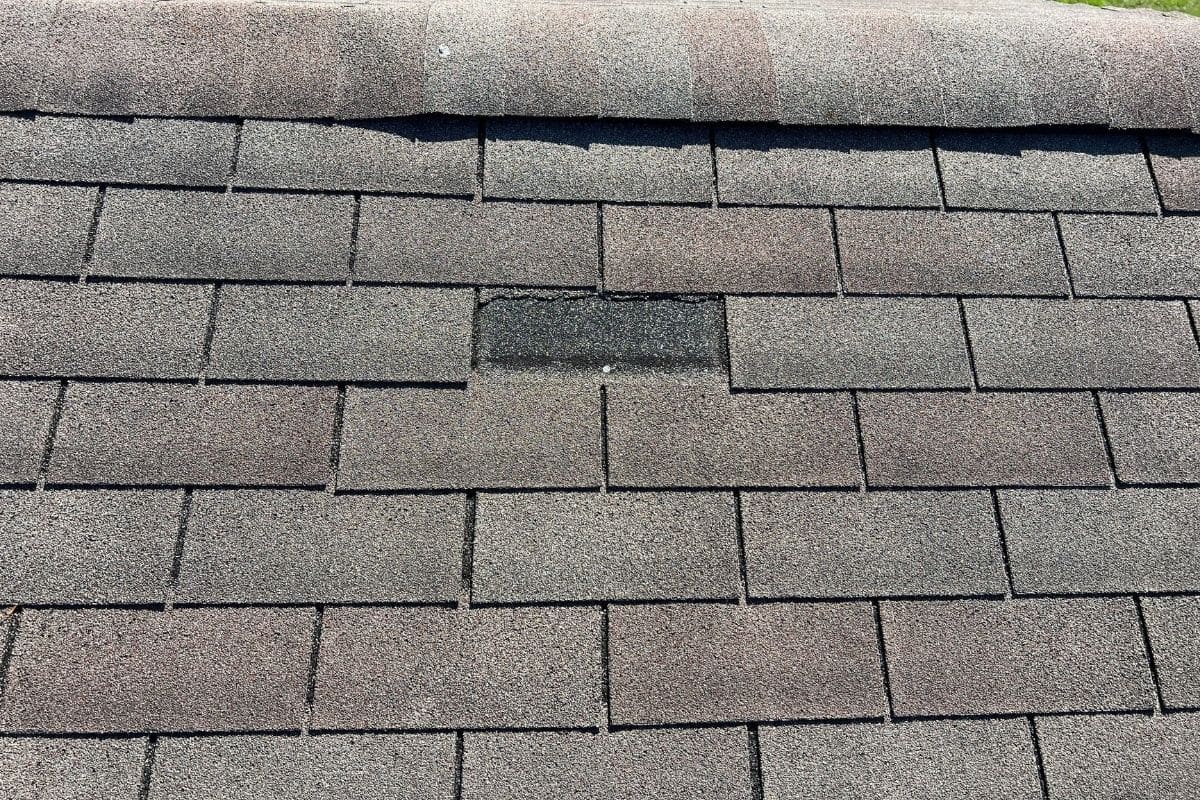
Problem: Lower-quality shingles are thinner, contain less asphalt, and have less durable granules. They are simply not built to last.
Impact: Cheap shingles are more susceptible to damage from hail, wind, and UV rays. They will fail and need to be replaced much sooner, costing significantly more in the long run. Cheap shingles also don’t protect against algae growth which in 5-10 years will completely change the look of your roof to a dingy grayish black or leave streaking throughout.
Proper Procedure: Invest in high-quality shingles from a reputable manufacturer. While the upfront cost may be higher, they will provide better protection and a longer service life, representing a better long-term value.
11. Improper Valley Construction
Problem: Valleys can be installed in several ways (e.g., open, closed-cut, or woven). Each method has specific installation requirements, and if not done precisely, the valley will leak. Common mistakes include not centering the valley lining or improper shingle cutting and sealing.
Impact: Improperly installed valleys are one of the most common and severe causes of roof leaks.
Proper Procedure: The roofer must follow the shingle manufacturer's instructions for the specific type of valley installation being used. All valley types should begin with a full, unpenetrated layer of ice and water shield.
12. Incorrectly Staggering Shingle Courses
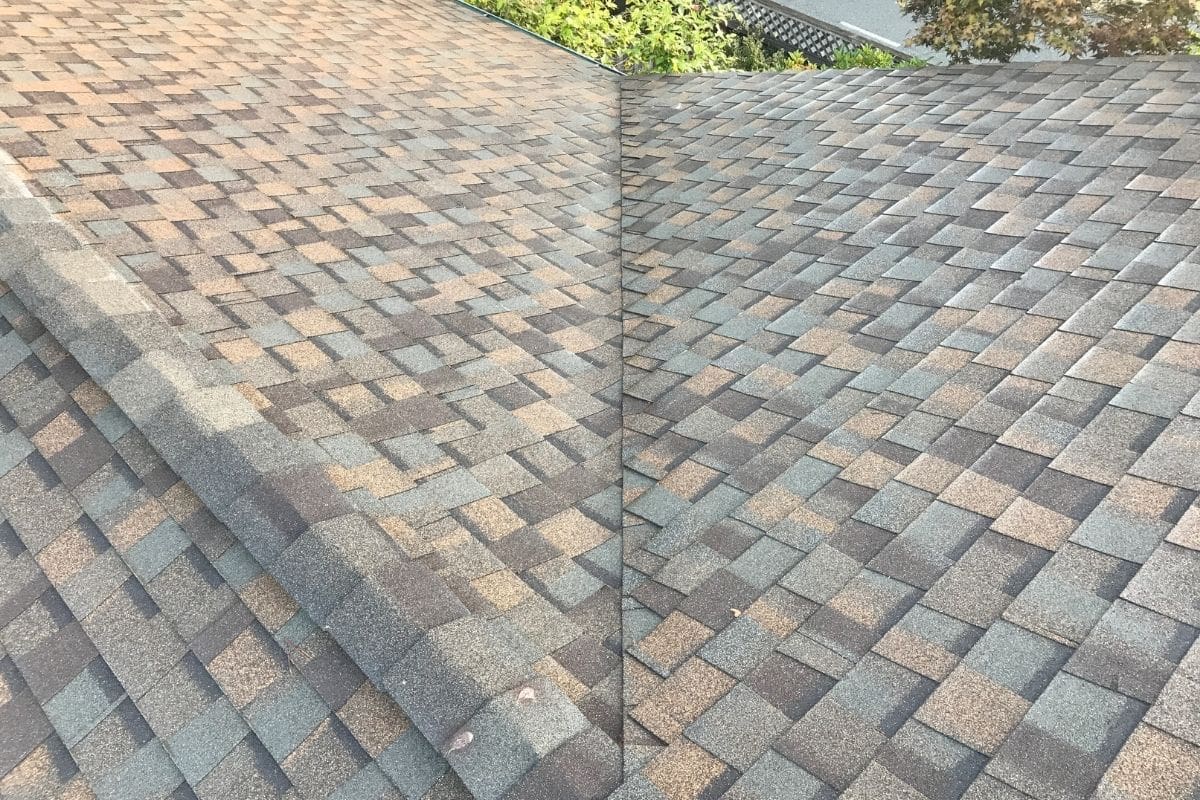
Problem: The vertical joints (cutouts or "keyways") in adjacent shingle courses must be staggered. If these joints line up too closely, they create a direct path for water to seep through.
Impact: This can lead to leaks and creates a structurally weaker roof that is more susceptible to wind damage.
Proper Procedure: Follow the manufacturer's instructions for the proper stagger or "offset," which is typically 6 inches for standard 3-tab shingles and varies for architectural shingles.
13. Leaving Nails Exposed on Flashings and Ridge Caps

Problem: Any exposed nail head on the finished roof surface is a direct potential entry point for water.
Impact: Over time, water will seep around the nail head and into the roof deck as sealant fails or the nail backs out due to thermal expansion and contraction.
Proper Procedure: All exposed nail heads on flashings, vents, and the final ridge cap shingle should be sealed with a high-quality roofing sealant specifically designed for that purpose.
14. Incorrectly Installing Flashing Around Vents
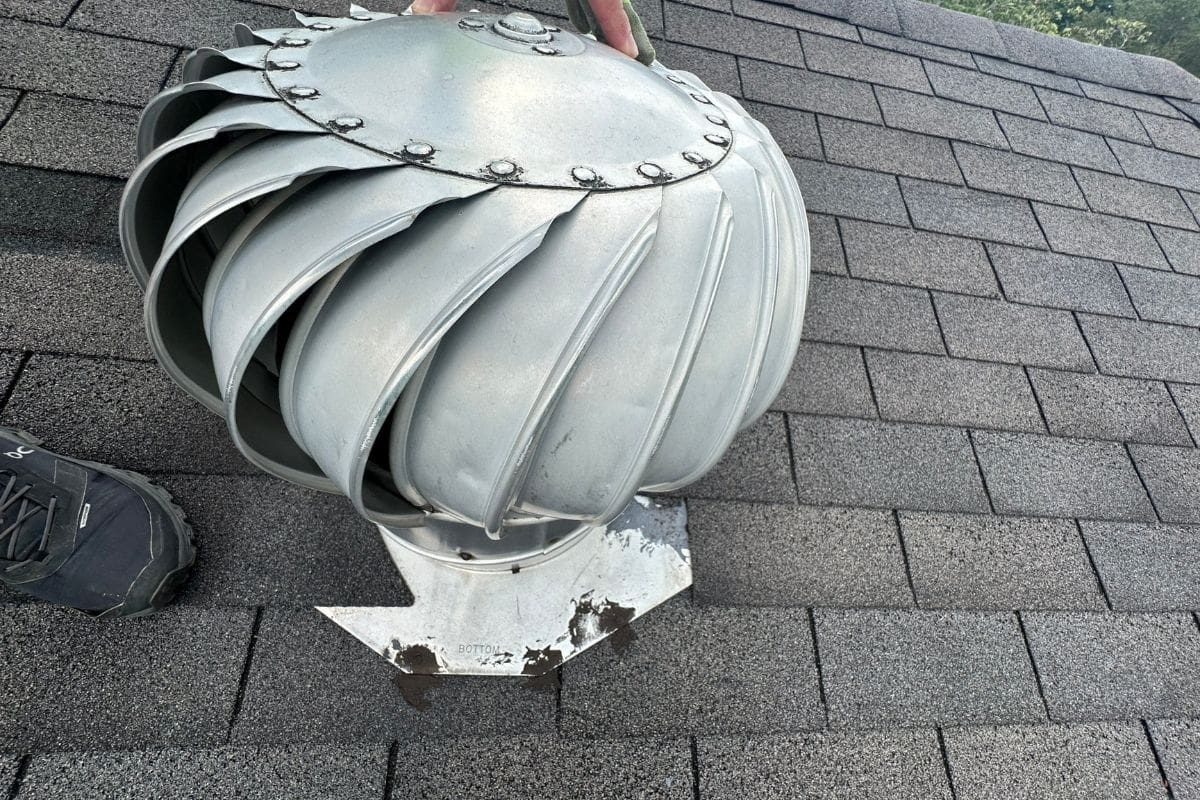
Problem: Roof vents must be properly flashed and integrated with the shingles to remain watertight.
Impact: Improperly installed vents are a very common source of roof leaks.
Proper Procedure: The vent flashing should be installed so that shingles on the high side of the vent and the sides overlap the flashing's flange, and the flange on the low side overlaps the shingles below. This "shingling" method uses gravity to shed water correctly.
15. Incorrectly Installing Flashing Around Chimneys
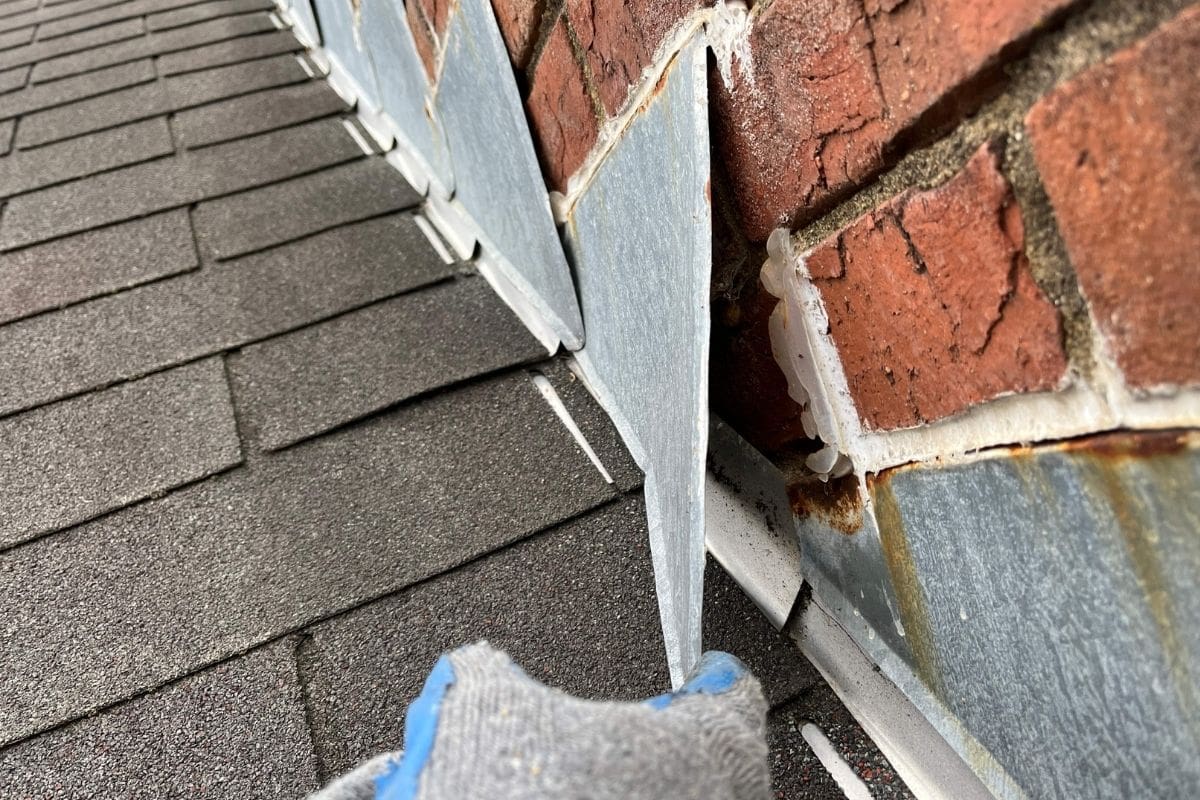
Problem: Chimneys are a major potential source of leaks if not flashed with a multi-part system. A simple line of caulk is not an acceptable long-term solution.
Impact: Water can enter around the chimney, causing damage to the roof deck, attic framing, and the chimney masonry itself.
Proper Procedure: Chimneys must be flashed with a two-part system:
- Step Flashing: L-shaped metal pieces woven into the shingle courses along the sides of the chimney.
- Counter-Flashing: A second layer of metal embedded into the chimney's mortar joints that overlaps the step flashing, protecting it from direct water flow.
16. Missing Kickout Flashings at Wall Terminations
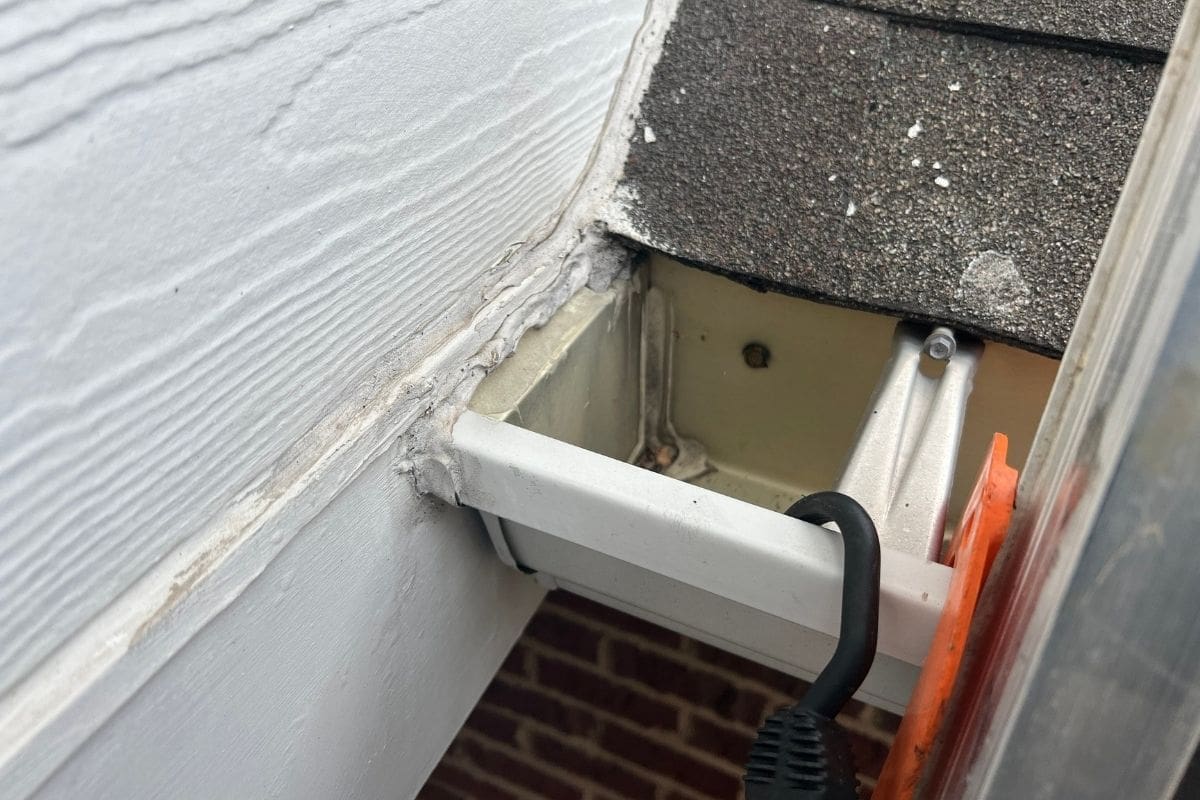
Problem: A kickout flashing is a special piece of metal installed where a roof edge terminates against a sidewall (e.g., above a porch). Its purpose is to "kick" water away from the wall and into the gutter.
Impact: Without a kickout flashing, a concentrated stream of water will run directly down the wall, causing severe rot, mold, and siding damage. This is one of the most destructive and costly flashing errors.
Proper Procedure: A properly sized and angled kickout flashing must be installed at the bottom of every roof-to-wall intersection to direct water into the gutter.
17. Incorrectly Installing Flashing at Sidewalls
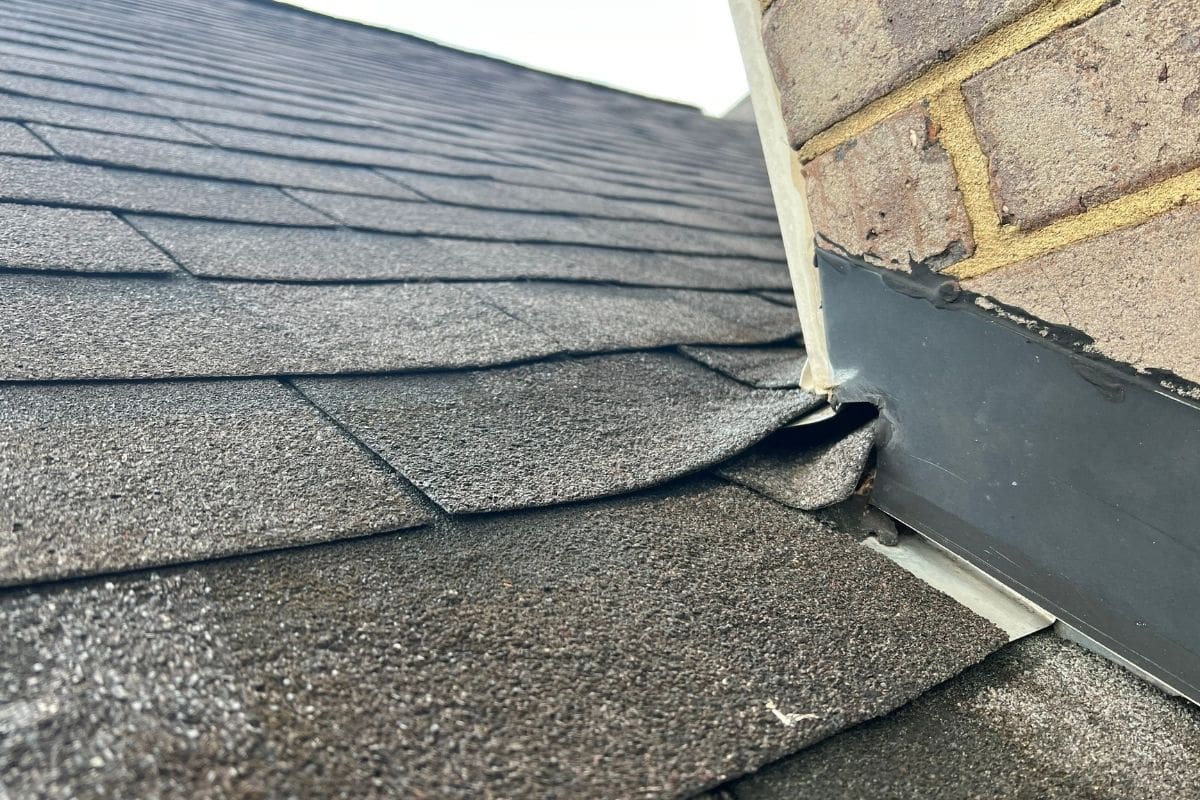
Problem: Where a sloped roof meets a vertical sidewall, step flashing must be used to prevent leaks. Simply caulking the joint or using a single, continuous piece of flashing will fail.
Impact: Water will get behind the siding and cause serious damage to the wall sheathing and framing.
Proper Procedure: Individual pieces of L-shaped step flashing must be woven into the shingle courses, with each piece overlapping the one below it, like shingles themselves. The siding should then be installed over the vertical part of the step flashing.
18. Missing Essential Counter-Flashings
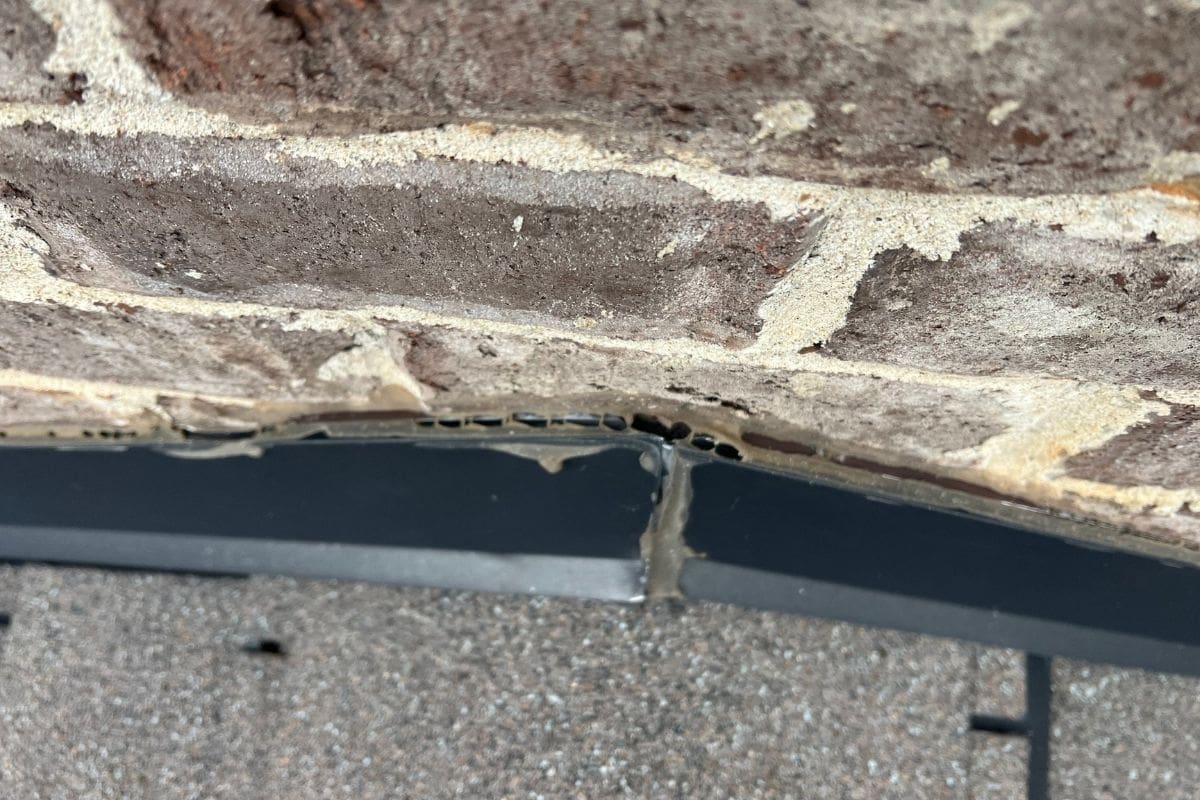
Problem: Counter-flashing is the second layer of flashing that covers the top edge of a primary flashing (like step flashing) to prevent water from getting behind it. This is often skipped on chimneys and walls.
Impact: Missing counter-flashing leaves the primary flashing vulnerable, creating an entry point for water that leads to leaks. Not properly embedding counter flashing into the wall and just sealing it will eventually fail as sealant cracks and ages.
Proper Procedure: Counter-flashing is an essential component of a proper flashing system and must be used in conjunction with step flashing at all roof-to-wall and roof-to-chimney intersections.
19. Improper Skylight Installation
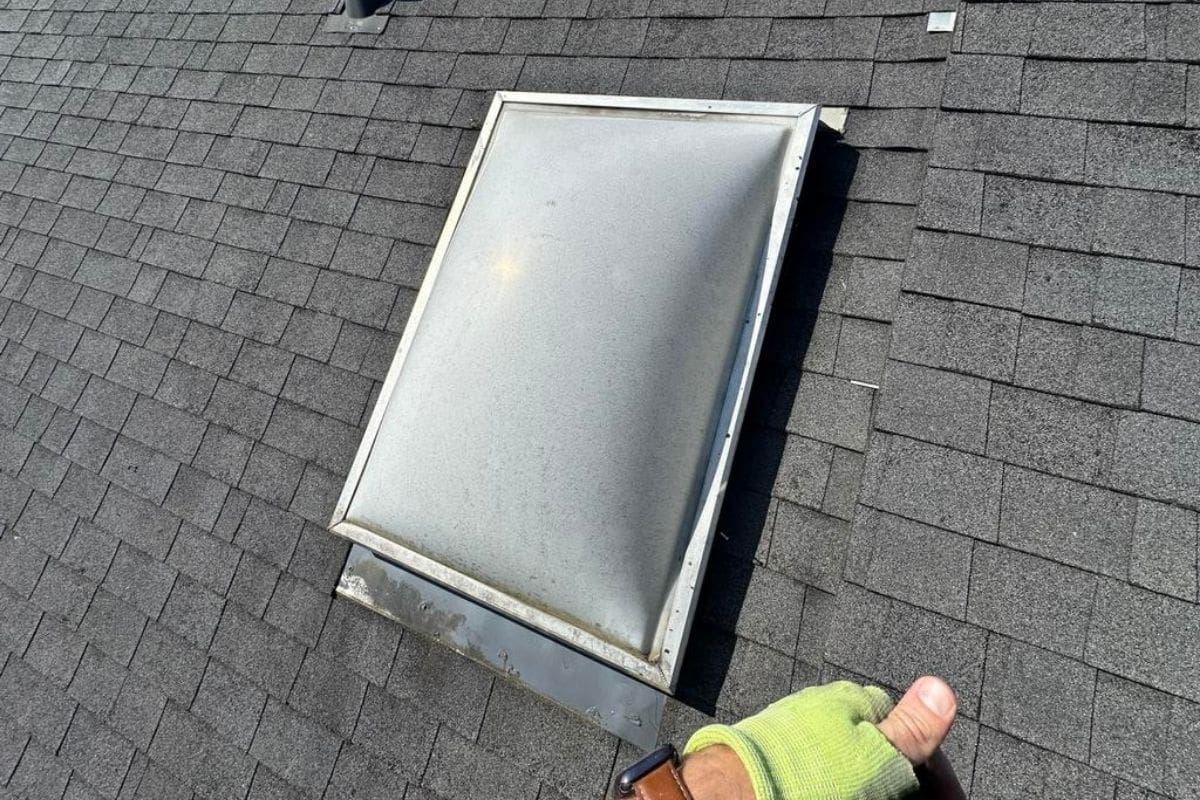
Problem: Skylights cut a large hole in the roof and are a common source of leaks if not installed and flashed perfectly.
Impact: Water entering around a skylight can cause significant damage to the roof structure, attic, and the interior drywall and finishes of the home.
Proper Procedure: Skylights should always be installed using the manufacturer-provided flashing kit, which is specifically designed for the type of roof and the skylight model. The flashing must be properly integrated with the shingles and underlayment according to instructions.
20. Using Cut Architectural Shingles for Ridge Caps
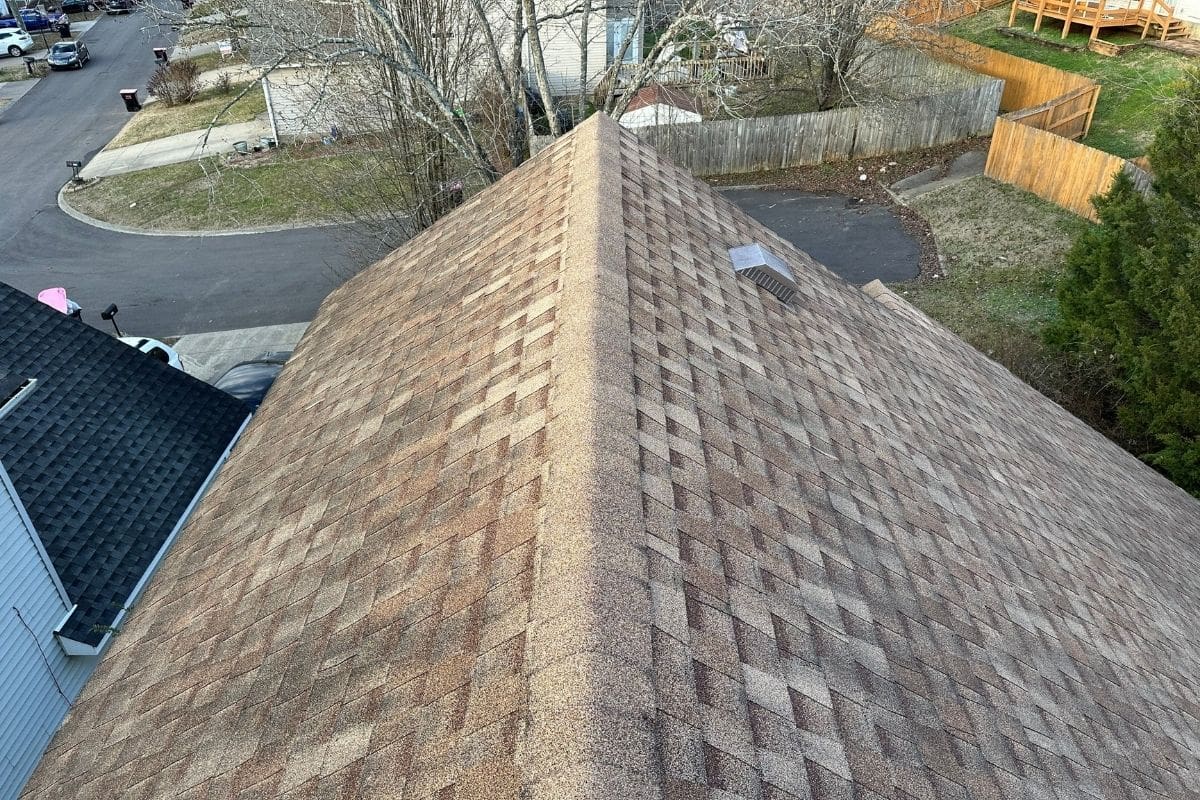
Problem: Architectural (or dimensional) shingles are thicker, stiffer, and laminated. They are not designed to be cut apart and bent over the sharp peak of a roof ridge.
Impact: Cutting and bending architectural shingles for the ridge cap can cause them to crack, delaminate, and break, leading to leaks and a shortened lifespan. This also voids the manufacturer's warranty.
Proper Procedure: Always use manufacturer-made hip and ridge cap shingles that are specifically designed to be flexible and match the color and profile of the architectural shingles.
21. Crooked or Uneven Shingle Installation

Problem: Shingles that are not installed in straight, even rows are a clear sign of poor workmanship.
Impact: This is primarily an aesthetic issue that lowers curb appeal, but severe alignment problems can also affect the roof's ability to shed water properly and can lead to improper nailing.
Proper Procedure: Professionals use chalk lines to snap straight, parallel guidelines across the roof to ensure that all shingle courses are installed correctly.
22. Installing Shingles on Low-Slope Roofs

Problem: Asphalt shingles are not designed for low-slope or "flat" roofs (typically those with a pitch of less than 2:12). They rely on gravity to shed water effectively. On a low slope, water can pool and easily seep under the shingles.
Impact: This will lead to chronic leaks, rot, and premature roof failure. It also voids the shingle manufacturer's warranty.
Proper Procedure: For low-slope roofs, a different type of roofing material must be used, such as a membrane roofing system (e.g., EPDM, TPO, or modified bitumen).
23. Roofing Over Damaged Sheathing
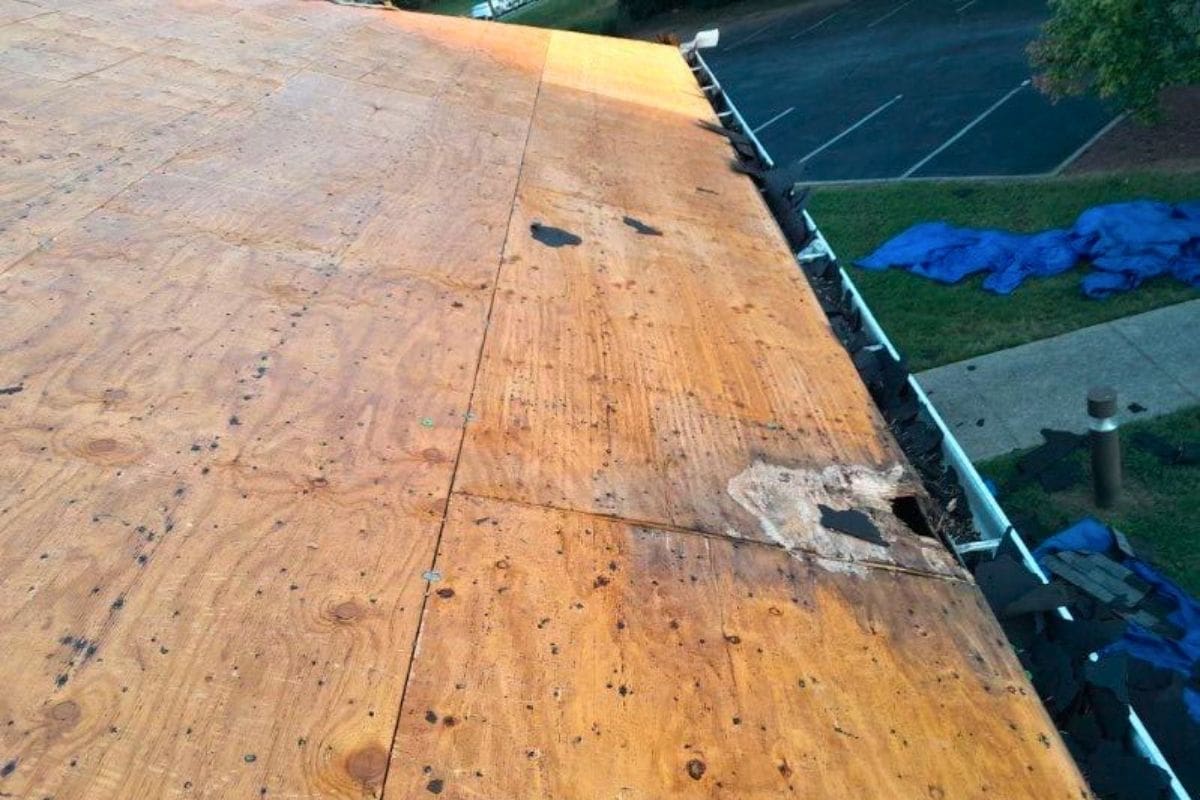
Problem: Roof sheathing (or decking) is the wooden base that the shingles are nailed to. If it's rotted, soft, or damaged, it won't hold nails securely.
Impact: Shingles can become loose and blow off, and the roof's structural integrity can be compromised. This is a serious safety hazard and guarantees future leaks.
Proper Procedure: During a roof tear-off, the sheathing must be thoroughly inspected. Any damaged, delaminated, or rotted sections must be replaced before the new roof is installed.
24. Installing Shingles in a "Dead Valley"
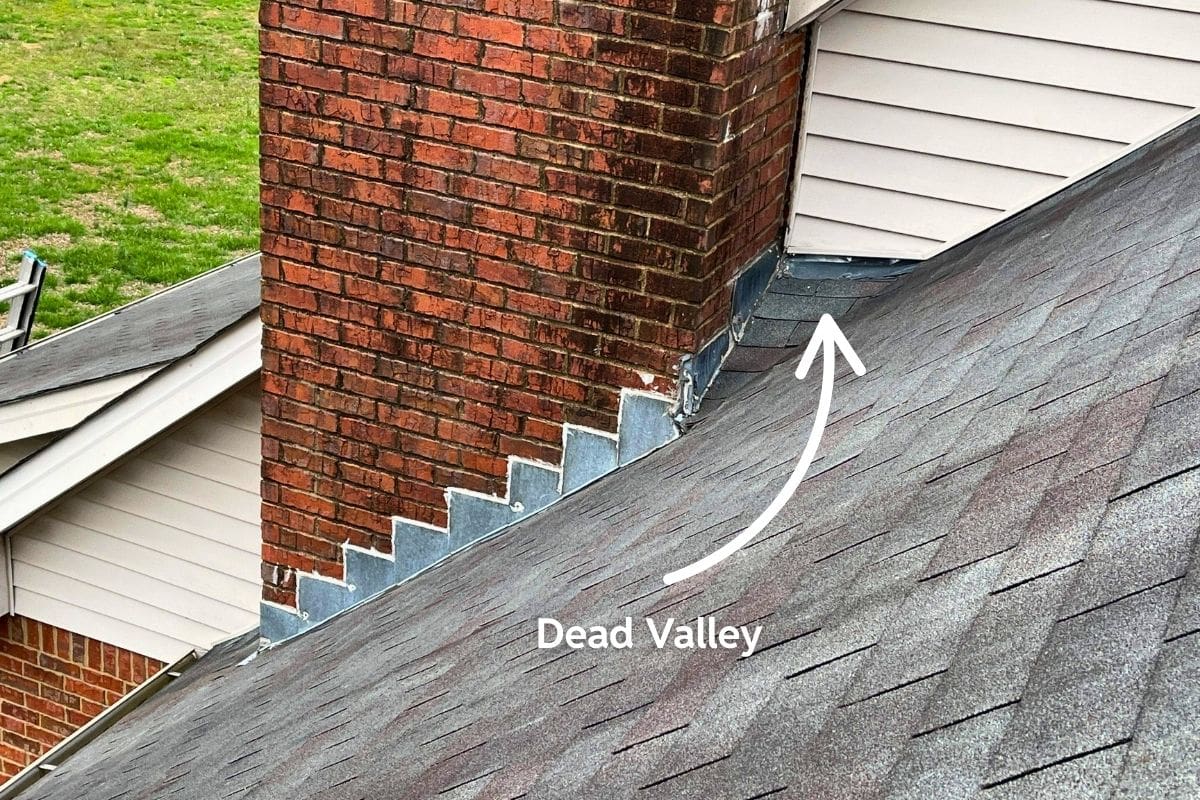
Problem: A "dead valley" is an area on a roof where water flow terminates or slows significantly, such as where a sloped roof meets a vertical wall, creating a spot where water and debris can collect. Installing standard shingles here is a recipe for disaster.
Impact: Pooled water will quickly find its way under the shingles, leading to persistent leaks and severe rot.
Proper Procedure: Dead valleys should be roofed with a continuous, waterproof membrane, such as EPDM or modified bitumen, or with a custom-fabricated metal pan flashing.
25. Missing a Cricket on a Wide Chimney
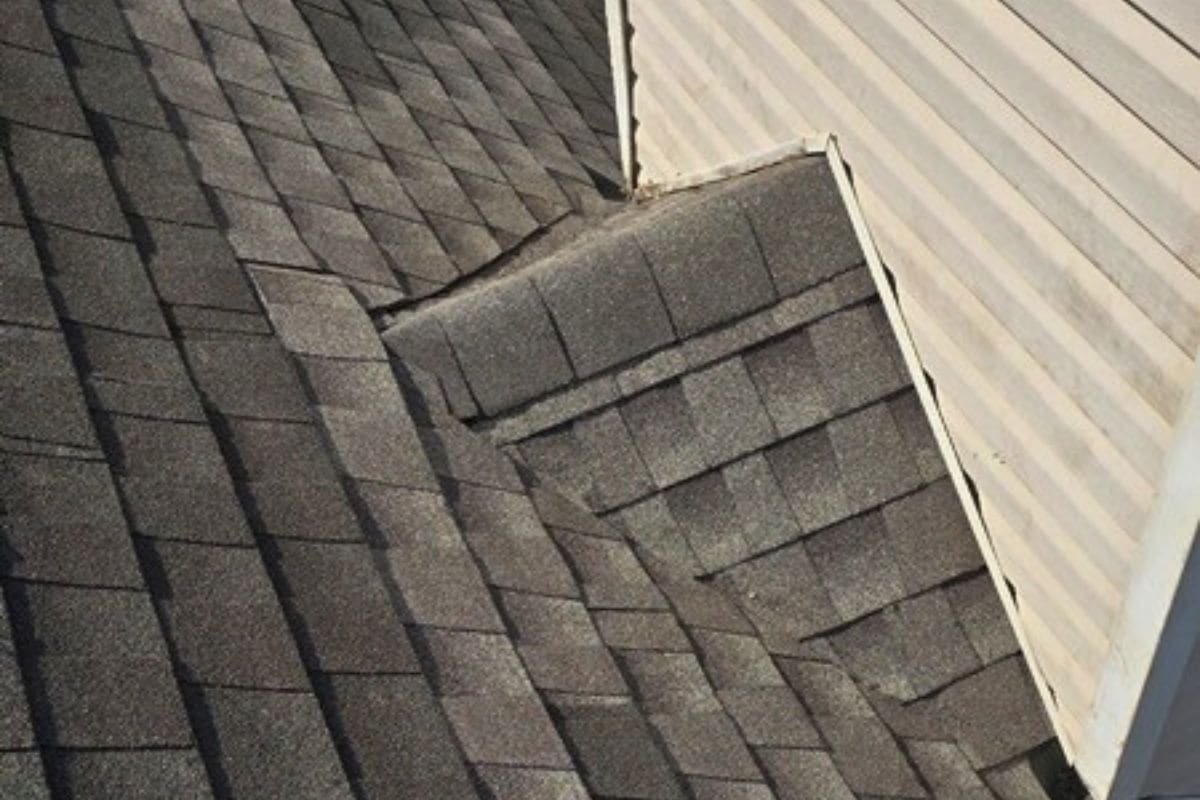
Problem: A cricket (or saddle) is a small, peaked structure built on the high side of a wide chimney to divert water around it. Without a cricket, water can pool behind the chimney, creating immense pressure on the flashing.
Impact: This pooling can lead to serious water damage to the roof deck, attic, and the chimney structure itself. 🔨
Proper Procedure: Building codes, including the International Residential Code (IRC), require a cricket to be installed on the high side of any chimney that is 30 inches or wider.
26. Omitting Ice and Water Shield at Eaves in Snow Regions
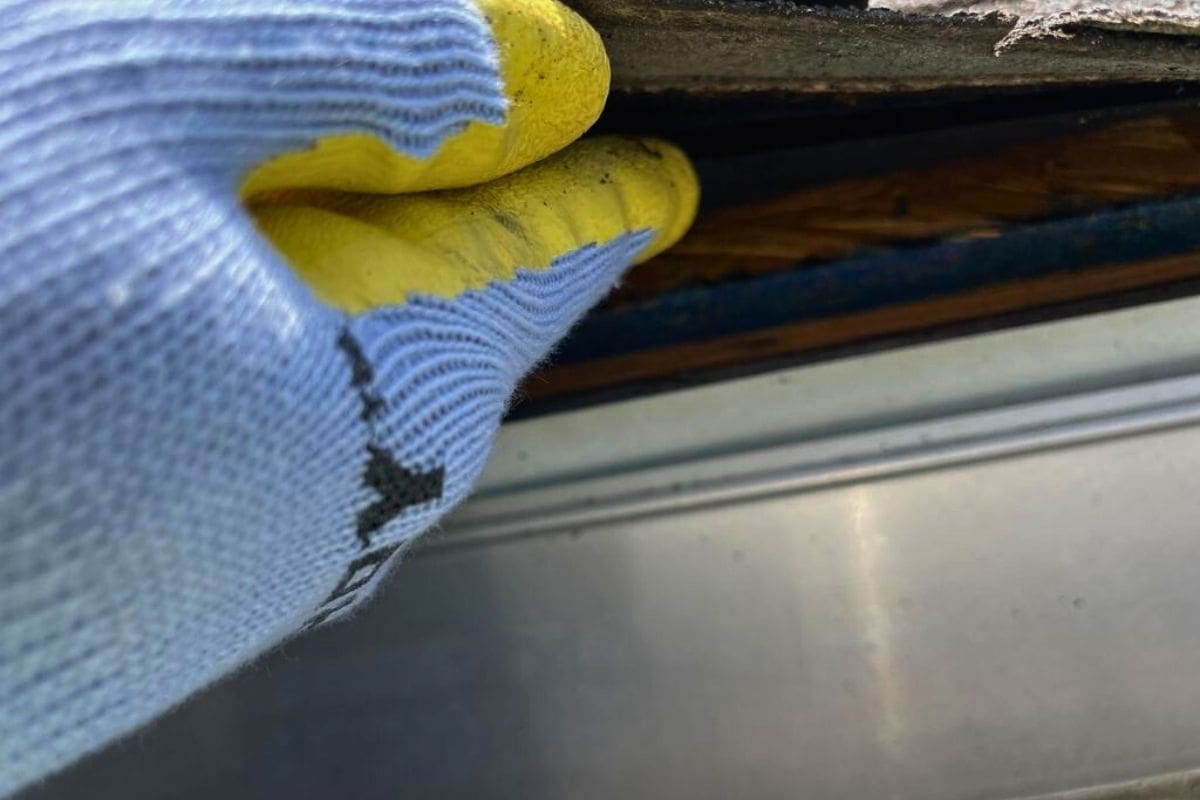
Problem: In climates with snow and ice, "ice dams" can form at the eaves. These ridges of ice prevent melting snow from draining properly, causing water to back up under the shingles.
Impact: This backed-up water can cause significant damage to the roof deck, attic, insulation, and interior walls and ceilings.
Proper Procedure: In snow regions, a self-adhering ice and water shield membrane should be installed at the eaves, extending from the edge of the roof to a point at least 24 inches inside the home's heated exterior wall line.
27. Placing Roof Penetrations in Valleys
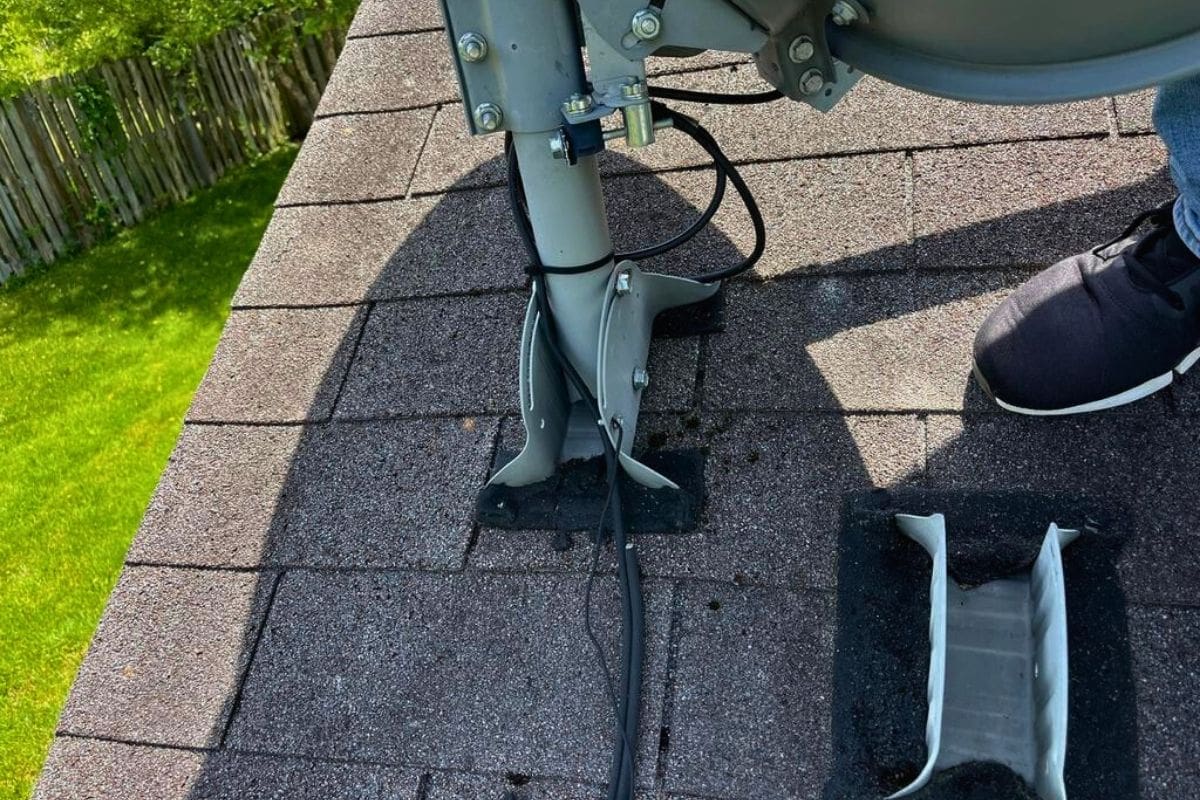
Problem: Roof penetrations, such as plumbing pipes and vents, should never be located in a valley. Valleys are designed to be clear channels for large volumes of water, and any obstruction acts as a dam.
Impact: This is a major design and installation flaw that will almost certainly lead to leaks.
Proper Procedure: Roof penetrations should always be located on the main roof slope, several feet away from valleys.
28. Using a Single Underlayment Layer on Low-Slope Roofs

Problem: On low-slope roofs (with a pitch between 2:12 and 4:12), a single layer of standard underlayment is not up to code or manufacturer specifications is not sufficient to prevent leaks from wind-driven rain, which can easily push water uphill and under the shingles.
Impact: Water can be forced under the shingles during storms, leading to leaks and rot. Not installing 2 layers of underlayment will void your warranty.
Proper Procedure: On roofs with a pitch between 2:12 and 4:12, two layers of underlayment should be installed. This is typically done by applying each course with a 19-inch overlap, so the entire roof is effectively covered by a double layer.
29. Inadequate Attic Ventilation
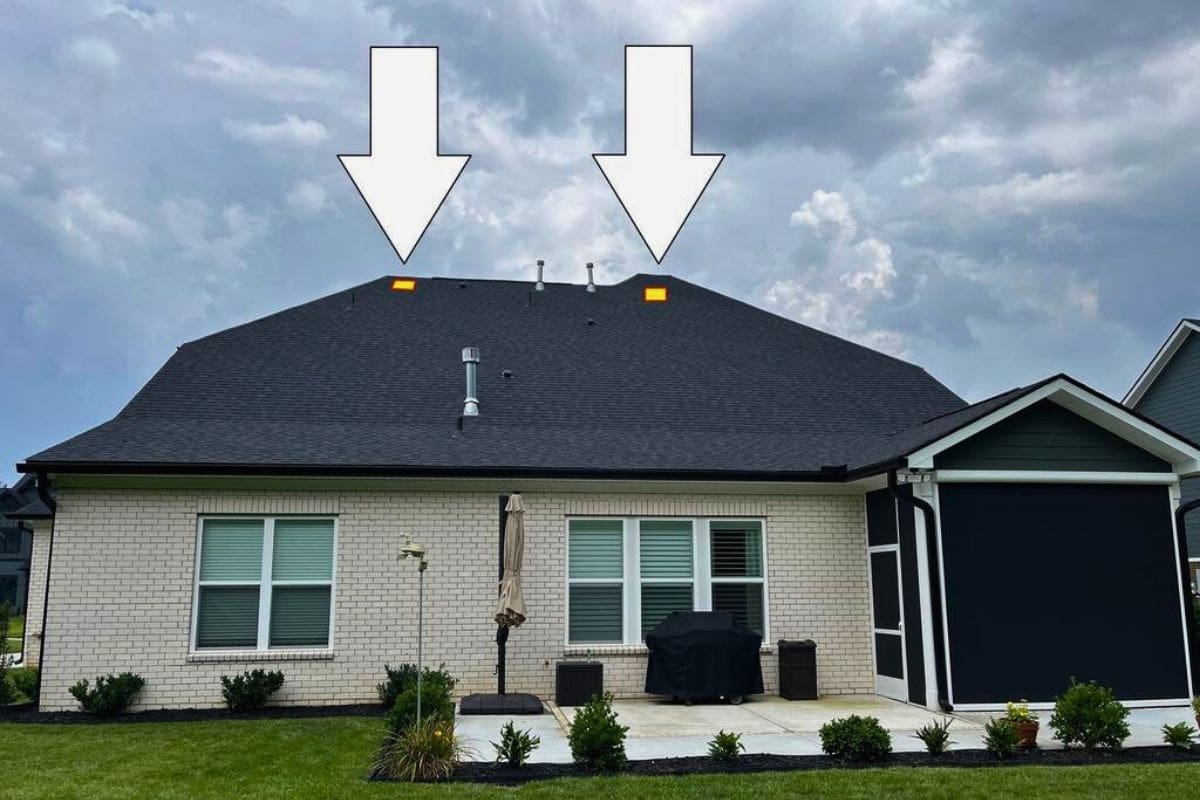
Problem: A properly ventilated attic allows for air circulation that helps regulate temperature and moisture levels. An imbalance of intake and exhaust vents (or a lack of them altogether) traps hot, moist air.
Impact: In the summer, heat buildup can bake the shingles from below, drastically shortening their lifespan. In the winter, moisture can condense on the underside of the roof deck, leading to rot, mold, and ice dams.
Proper Procedure: A balanced ventilation system should be installed, with intake vents at the eaves (soffit vents) and exhaust vents near the peak (ridge vents). The required amount of ventilation is determined by building codes based on the attic's square footage.
30. Leaving Old Nails Behind After Tear-Off
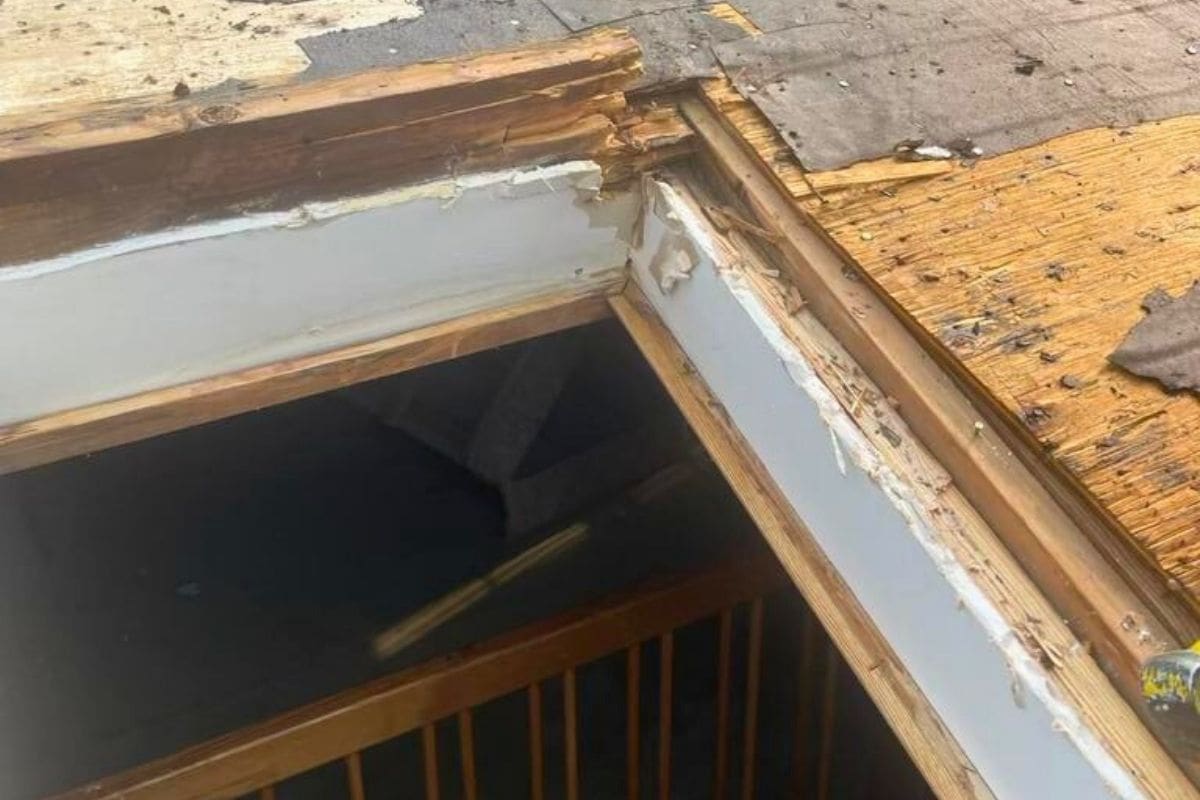
Problem: When the old roof is torn off, all old nails must be removed or hammered flat.
Impact: Nails left sticking up from the sheathing can puncture the new underlayment and prevent the new shingles from lying flat, creating bumps and potential leak points. Over time, these nails can work their way up through the new shingles.
Proper Procedure: The roofing crew should carefully remove all old roofing materials and either pull or hammer down every single old nail before installing the new underlayment.
The True Cost of a Cheap Roof
While the allure of a low bid is strong, its true cost materializes a few years later in the form of chronic leaks and a roof that fails decades too soon. Every skipped step—from roofing over damaged sheathing to ignoring building codes—is a calculated risk the roofer takes to protect their profit margin at your expense.
The best defense is to hire a contractor who sells value, not just a low price. A professional quote will always account for the critical systemic elements required for a durable, watertight roof that will truly protect your home for years to come.