
Roof Leak Repair FAQ: Professional Solutions for Your Home
Fast Answers to Your Emergency Roofing Questions & Repair Costs
Do you have a roof leak that needs immediate attention? Navigating roof repairs can be stressful. Our Roof Repair FAQ is designed to give homeowners in the South the quick answers they need to protect their homes from water damage.
Urgent: What to Do if You Find a Roof Leak
Q: I see water dripping from my ceiling—what are my first steps?
A: Immediate action is critical. First, place a bucket under the leak to protect your flooring. If you see a "bubble" in your ceiling paint, carefully poke a small hole in the center to drain the water; this prevents the weight from collapsing your drywall. Next,
Q: Can a roof leak be fixed from the inside of the attic?
A: While you can temporarily patch a leak from the inside to slow down water entry, a permanent fix must be done from the exterior. Repairing a leak from the inside often traps moisture within the roof’s layers, leading to wood rot and mold. Our team identifies the exterior entry point to ensure a long-term solution.
Q: Do you offer emergency tarping services if my roof is actively leaking?
A: Yes. If your roof has sustained major damage during a storm and is actively leaking, we can provide emergency tarping. This "stop-gap" measure prevents further interior damage until the weather clears and a permanent
5 Common Signs Your Roof Needs Repair
While some leaks are obvious, others stay hidden until they cause mold or structural rot. Look for these warning signs:
- Water Stains: Dark "tea-colored" circles on ceilings or walls.
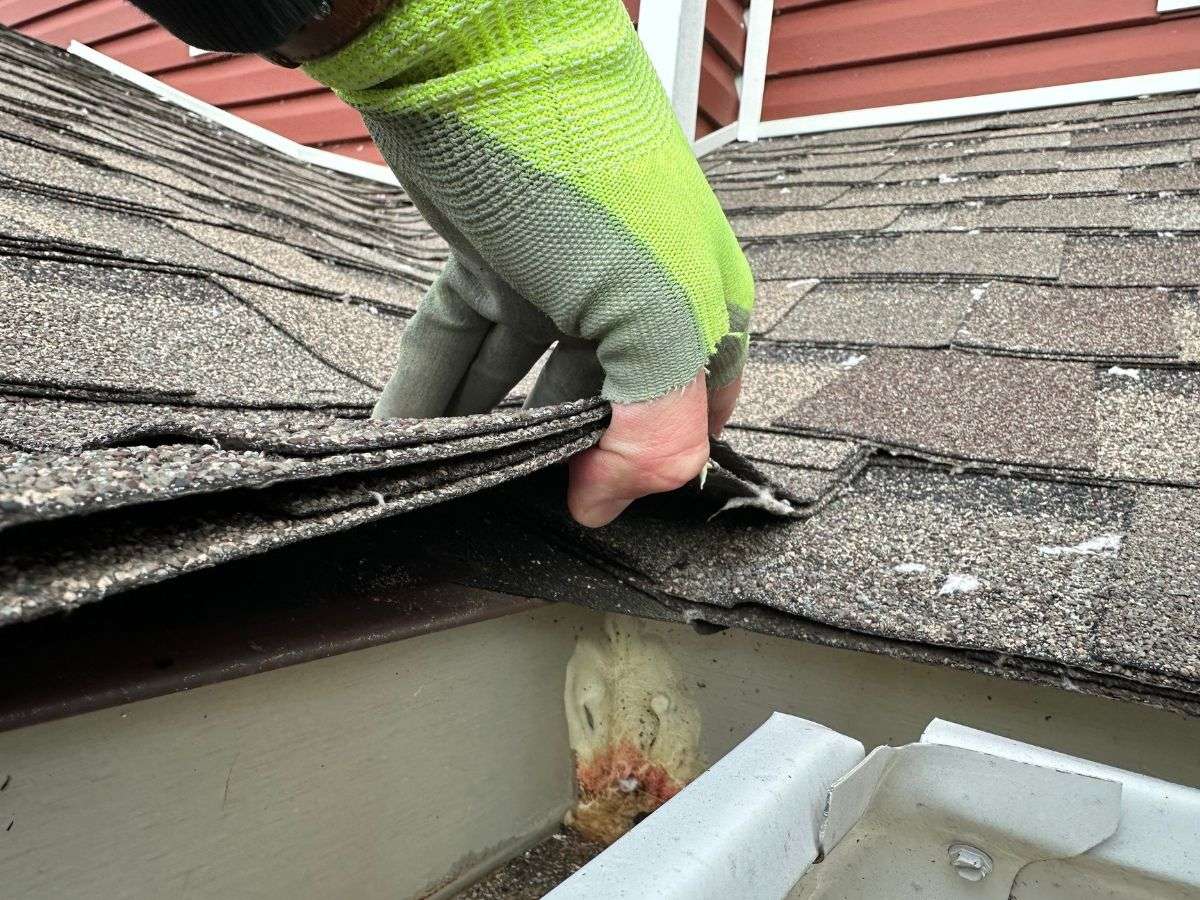
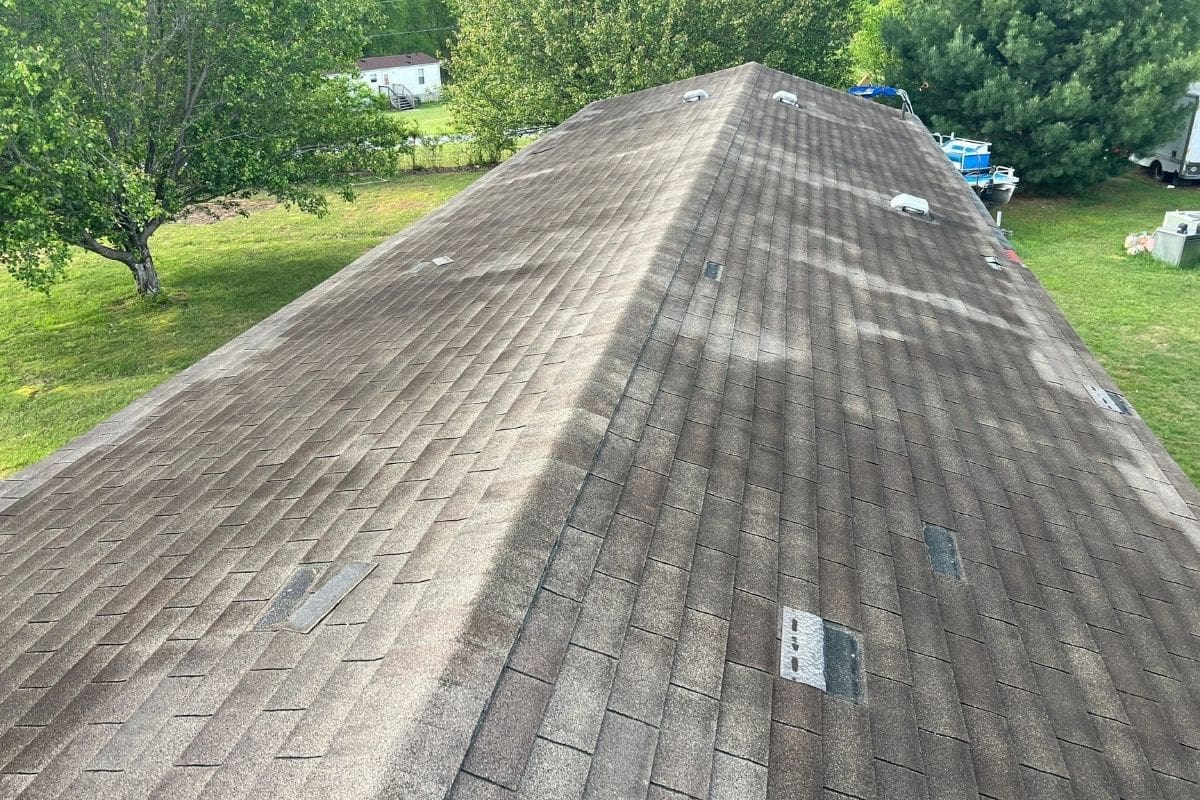
- Damaged Shingles: Curling, cracking, or missing shingles after a storm.
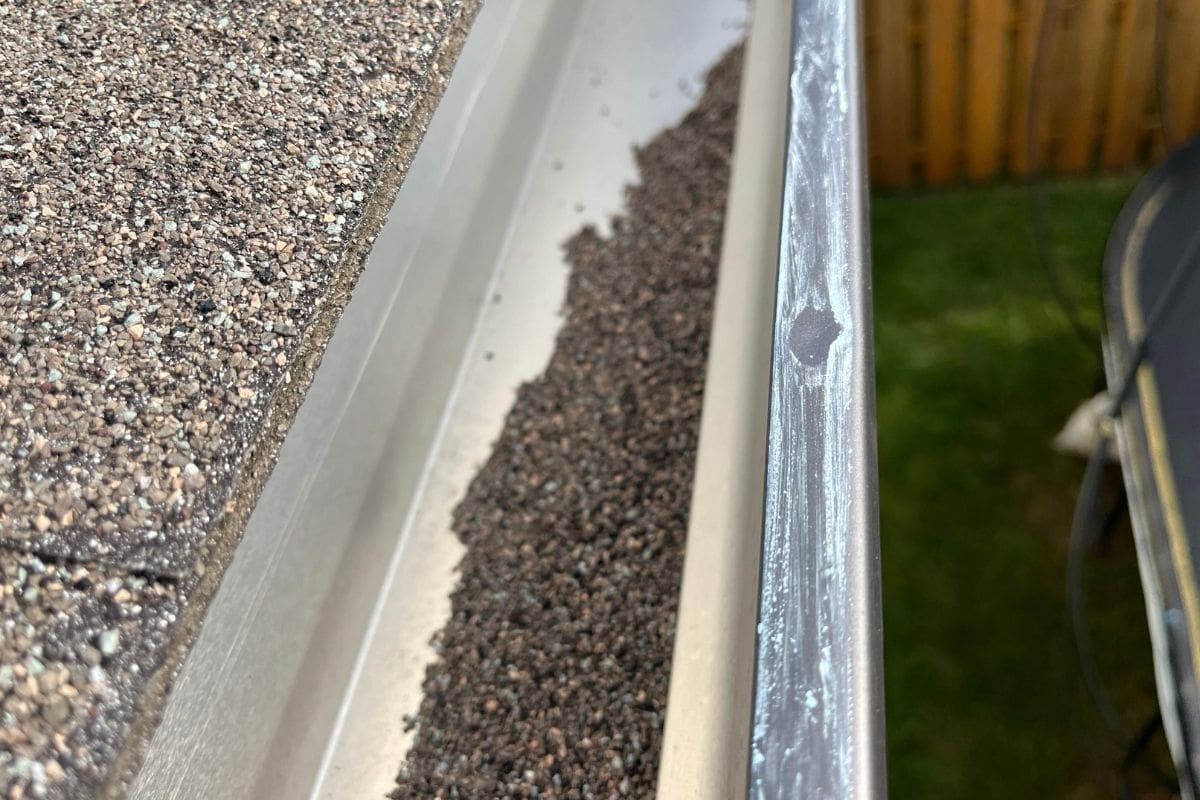
- Granules in Gutters: Excessive sand-like debris in your downspouts.
- Algae Streaks: Dark stains on the roof (often indicating moisture retention).
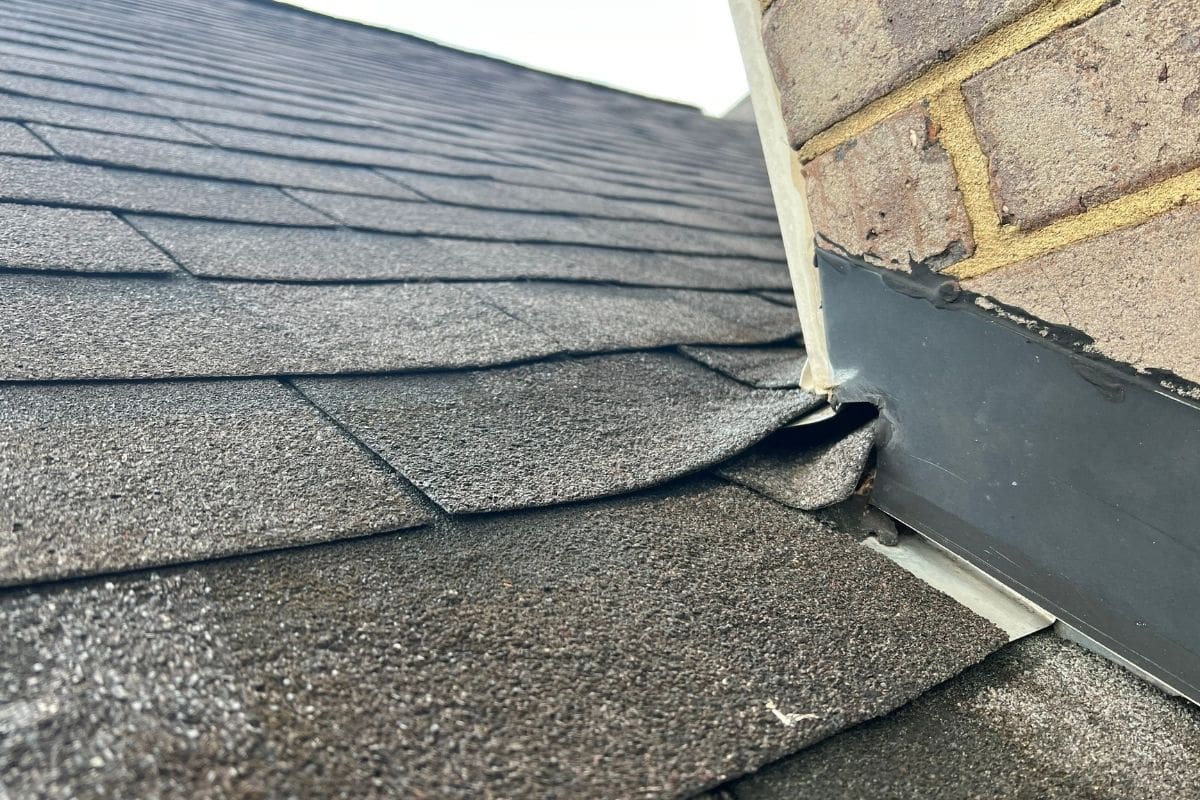
- Flashing Issues: Cracked sealant or bent metal around chimneys and vents.
Roof Repair vs. Replacement: Which Do You Need?
Q: Can I just repair the leak, or do I need a whole new roof?
A: This depends on the age of your roof and the extent of the damage. A single leak caused by a loose
Q: Will my homeowners insurance cover the cost of a roof leak repair?
A: If the leak was caused by a sudden, accidental event—like a fallen tree limb or a hail storm—it is often covered. However, leaks caused by "lack of maintenance" or gradual wear and tear are typically not covered. We specialize in
Understanding Roof Repair Costs & Inspections
Q: How much does a roof inspection cost?
A: While many contractors charge $100–$300 for a professional assessment, Roof MD offers FREE Roof Inspections and Estimates. We believe you shouldn't have to pay just to find out what's wrong with your home.
Q: How quickly can you fix my roof?
A: We aim to be on-site for an inspection within 48 hours. Once the damage is assessed, our technicians can perform emergency repairs to stabilize the roof and prevent further interior damage.
Glossary: Common Roofing Terms to Know
To help you communicate with your
- Decking (Sheathing): The structural wood panels (usually OSB or plywood) that form the foundation of your roof.
- Drip Edge: An L-shaped metal strip installed along the roof’s edges to direct water away from the fascia and into the gutters.
- Fascia: The vertical finishing board you see at the end of the rafters; it acts as the mounting point for your
gutter system - Flashing: Thin metal pieces installed in high-risk areas (chimneys, vents, valleys) to prevent water from seeping into joints.
- Ice Damming: When melted snow refreezes at the roof edge, preventing drainage—a common cause of winter leaks in our northern service areas.
- Ridge Vent: A ventilation strip installed at the peak of the roof to allow hot air to escape the attic.
- Soffit: The underside of the roof overhang, often perforated to allow fresh air into the attic space.
- Starter Strip: The first layer of shingles applied at the eaves to provide wind resistance and waterproofing for the rest of the roof.
- Underlayment: A water-resistant felt or synthetic barrier installed directly on the decking as a secondary layer of protection.
- Valley: The internal "V" angle where two roof slopes meet. This area carries the highest volume of water and is the most common spot for leaks.
Watch: Our Professional Roof Leak Inspection Process
Before we ever start a repair, we perform a deep-dive diagnostic. Seeing is believing—watch our team in action as we identify common leak sources and explain the "why" behind our repair recommendations.
Can’t get enough roofing tips?
Our
Subscribe for more tips on:
-
DIY maintenance to prevent future leaks.
-
Understanding insurance claims for storm damage.
-
Behind-the-scenes looks at our latest projects in Tennessee, Texas, and Georgia.
Professional Repairs Across the Southeast & Midwest
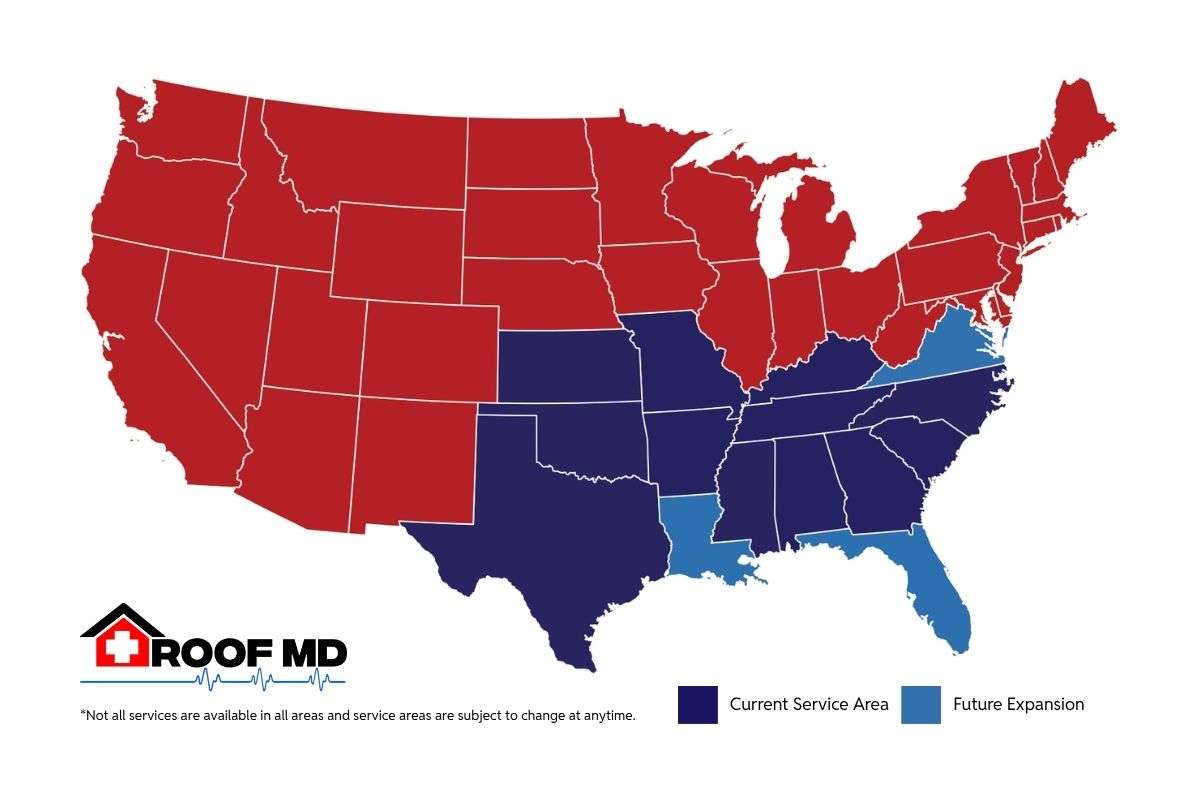
Climate plays a huge role in roof wear and tear. Whether it's the intense heat of Texas, the humidity of Mississippi, or the storms of Tennessee, Roof MD provides expert localized repairs.
We proudly serve: Alabama, Arkansas, Georgia, Kansas, Kentucky, Mississippi, Missouri, North Carolina, Oklahoma, South Carolina, Tennessee, and Texas.