
The True Cost of Permanent Christmas Lights: Is the DIY "Tradition" Costing You Too Much?
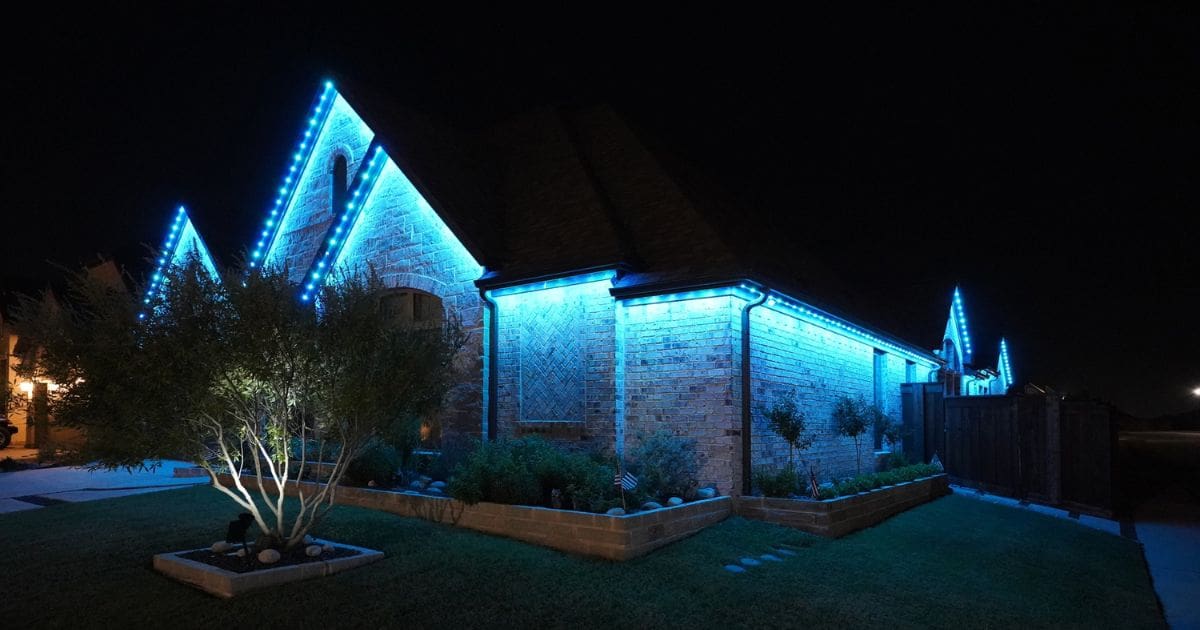
In Tennessee, we value hard work—but we also value our limited time with family. For most homeowners from Nashville to Knoxville, holiday lighting isn't just a financial expense; it's a massive "labor tax" on your weekends. At Roof MD, we don't just see ourselves as light installers; we are your roofing advocates. Below, we breakdown why you should choose permanent christmas lights to save you money and TIME over basic lighting.
The "Invisible" Expense: What Is Your Time Actually Worth?
Many people think traditional lights are "cheap" because they do the work themselves. But if you value your time, the math changes instantly.
-
The 15-Hour Tax: Between testing strands, untangling wires, the actual installation, and the January takedown, the average homeowner spends 15 hours a year on lighting.
-
The "Work Week" Realization: Over 10 years, that’s 150 hours. That is nearly four full work weeks spent on a ladder instead of watching the game, playing with your kids, or relaxing.
-
The "Danger Pay" Factor: Professional high-angle workers get "hazard pay" for a reason. When you climb a ladder in 35°F Tennessee humidity, you are performing high-risk labor without the proper safety gear or insurance.
Ask yourself: If someone offered to pay you your hourly work wage to stand on a cold ladder for 15 hours, would you take the job? If the answer is "no," then doing it yourself is costing you a fortune in missed life moments.
Watch: The Oelo System in Action
Technical Superiority: What Does "IP68-Rated" Actually Mean?
When researching permanent lights, you’ll see the term IP68. This isn't just marketing jargon; it’s a rigorous international standard for durability.
-
IP (Ingress Protection): The first digit (6) means the system is dust-tight, preventing any fine particles from entering the electronics.
-
The "8" (Waterproof): This is the highest rating possible for water resistance. While "IP65" lights can handle a light splash, IP68-rated lights are designed to be submerged in water under pressure.
Why this matters in Tennessee: Our state faces everything from heavy spring downpours to freezing sleet and high-humidity summers. An IP68 rating ensures that moisture never enters the bulb, preventing the "half-out" strands that plague cheaper systems.
The Roofer Advantage: Protecting Your Home’s Structure
This is the most critical part of your investment. A light installer is not a roofer. When a standard handyman or "lighting pro" installs a system, they often use generic clips or screws that can compromise your home's integrity. Here is why having Roof MD—a professional roofing contractor—perform the install is vital:
1. Fascia and Soffit Protection
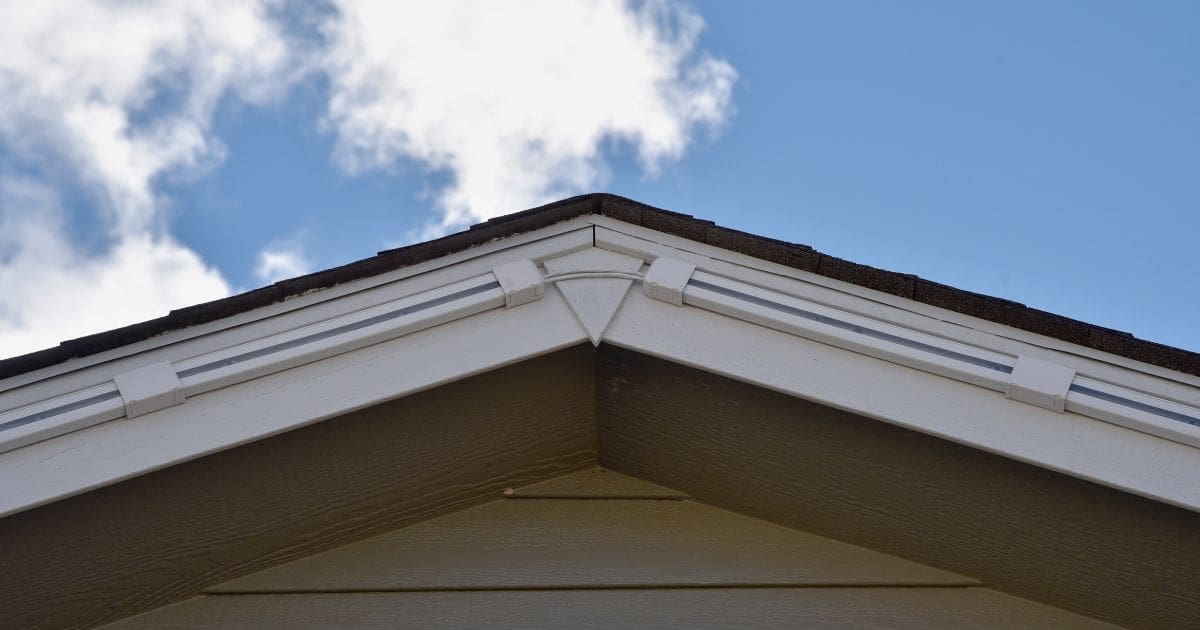
Most lights are mounted to the fascia. If installed incorrectly, water can "wick" behind the track, leading to wood rot that goes unnoticed for years. As roofers, we ensure the mounting system integrates with your existing drip edge and water-shedding mechanics.
2. Shingle Integrity
We never use "shingle clips" that pry up the edges of your roof. Prying up shingles breaks the sealant bond, which is the #1 cause of wind damage during Tennessee storms.
3. Long-Term Warranty Peace of Mind
If a non-roofer causes a leak while installing lights, your roof warranty may be voided. By using Roof MD, you are hiring experts who know exactly where the "danger zones" are on a roofline. We ensure your lighting upgrade doesn't lead to a $15,000 roof repair down the road.
An Investment in Uncompromising Safety
Common—and Dangerous—DIY Installation Mistakes:
- Overloading Circuits: Plugging too many strands into a single outdoor outlet can cause it to overheat, creating a significant fire risk right on the exterior of your home.
- Improper Fasteners: Using a staple gun or nails to attach wires is a recipe for disaster. These can easily pierce the wire's insulation, exposing live conductors and creating a risk of short circuits and sparks.
- Using the Wrong Cords: Indoor extension cords are not designed to withstand outdoor conditions. Exposure to sun and moisture can cause them to crack and degrade, creating a severe risk of electric shock.
- Pinching and Damaging Wires: Running cords through a window or door can pinch the wire and damage its insulation over time, creating a hidden fire hazard.
A professionally installed, low-voltage permanent system like Oelo eliminates every one of these risks. The system is engineered for permanent outdoor use and installed by trained technicians who use safe, certified components and ensure all wiring is clean, hidden, and secure.
7-Year Financial & Energy Audit: The Data Breakdown
Traditional C9 "big bulb" lights are notoriously inefficient because they produce more heat than light. In contrast, Oelo’s permanent systems are engineered for extreme efficiency. As of April 2026, the average residential electricity rate in Tennessee is $0.13 per kWh. While this is lower than the national average, the "wattage gap" between old tech and Oelo LED is massive.
The 7-Year Total Cost of Ownership
This table compares a standard 150-foot display of traditional C9 incandescent bulbs (consuming ~3,500 Watts) versus a 150-foot Oelo LED system (consuming ~150 Watts).
| Cost & Efficiency Factors | Traditional DIY Lights | Roof MD / Oelo System |
| Initial Investment | $350 (Strands, clips, timers) | $3,000+ (Professional Install) |
| Energy Consumption | 3,500 Watts (High Heat) | 150 Watts (High Efficiency) |
| 7-Year Energy Cost (TN @ $0.13/kWh) | $861 | $43 |
| 7-Year Replacement Costs | $525 (Buying new strands/clips) | $0 (7-Year Warranty) |
| Personal Labor Hours | 105 Hours | 0 Hours |
| Value of Your Labor ($35–$65/hr) | $3,675 – $6,825 | $0 |
| 7-YEAR CASH TOTAL | $1,736 | $3,043 |
| 7-YEAR TOTAL ECONOMIC COST | $5,411 – $8,561 | $3,043 |
The Verdict: While the upfront cash outlay for traditional lights is lower, the Total Economic Cost is nearly double or triple that of a permanent system. By switching to Oelo, you aren't just saving on your Tennessee power bill—you are reclaiming over $5,000 worth of your own time.
Beyond the Holidays: A True Year-Round Asset
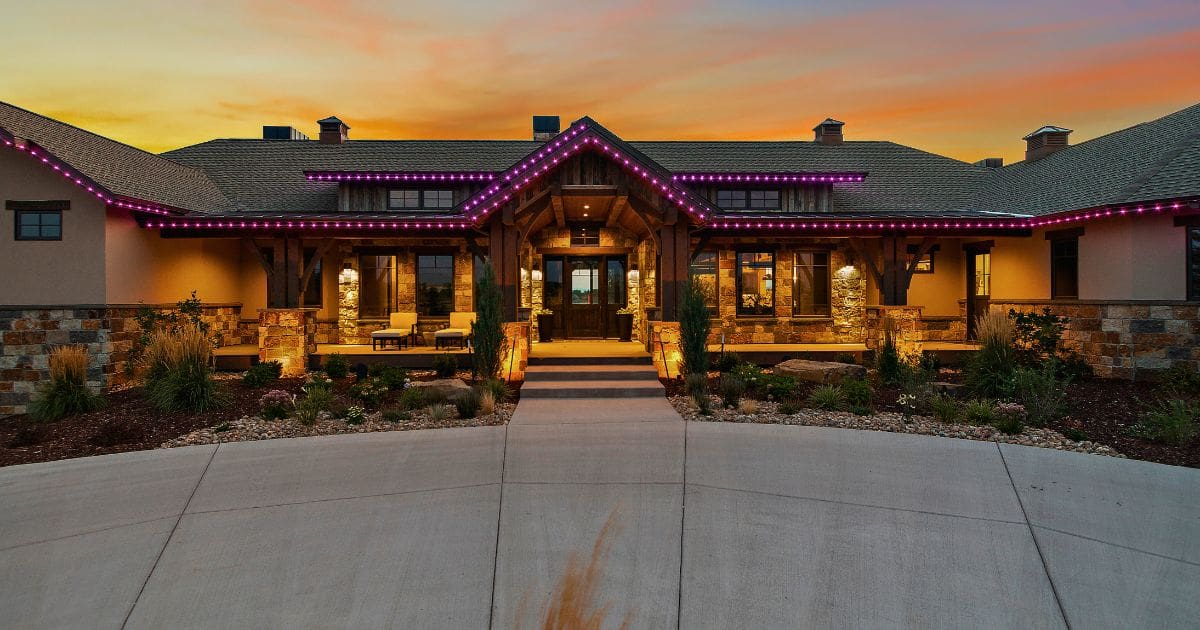
Perhaps the greatest benefit is that this system doesn't get packed away on January 1st. It becomes a permanent feature of your home.
- Elegant Architectural Lighting: On any given night, you can set the lights to a beautiful, warm white glow. This provides sophisticated accent lighting that enhances your home’s architectural features, creating stunning curb appeal year-round.
- Celebrate Every Occasion: Instantly switch to team colors for the big game, festive red, white, and blue for the Fourth of July, spooky orange and purple for Halloween, or soft pastels for a birthday party.
- Enhanced Ambiance and Security: Schedule your lights to turn on automatically before you get home, creating a warm, welcoming environment. The presence of automated lighting also serves as a powerful deterrent, making your home look occupied and secure.
The Verdict: Permanent Christmas Lights Are A Smart, Lasting Upgrade for Your Home
When you weigh all the benefits, the conclusion is clear. A permanent lighting system is far more than a simple decoration; it's a fundamental upgrade to your home and lifestyle. You are investing in reclaiming your most valuable asset—your time.
You are investing in the safety of your family by eliminating dangerous annual chores. And you are investing in the beauty and value of your property, transforming it from a seasonal hassle into a source of year-round enjoyment.
If you're ready to leave the ladders, tangled wires, and recurring costs behind for good, it's time to explore a smarter, safer, and more beautiful way to illuminate your home.
Contact Roof MD today for a free, no-obligation quote and discover what a certified Oelo system can do for you.