
Flat Roofing 101: Pros, Cons, and the Homeowner’s Guide to Low-Slope Systems
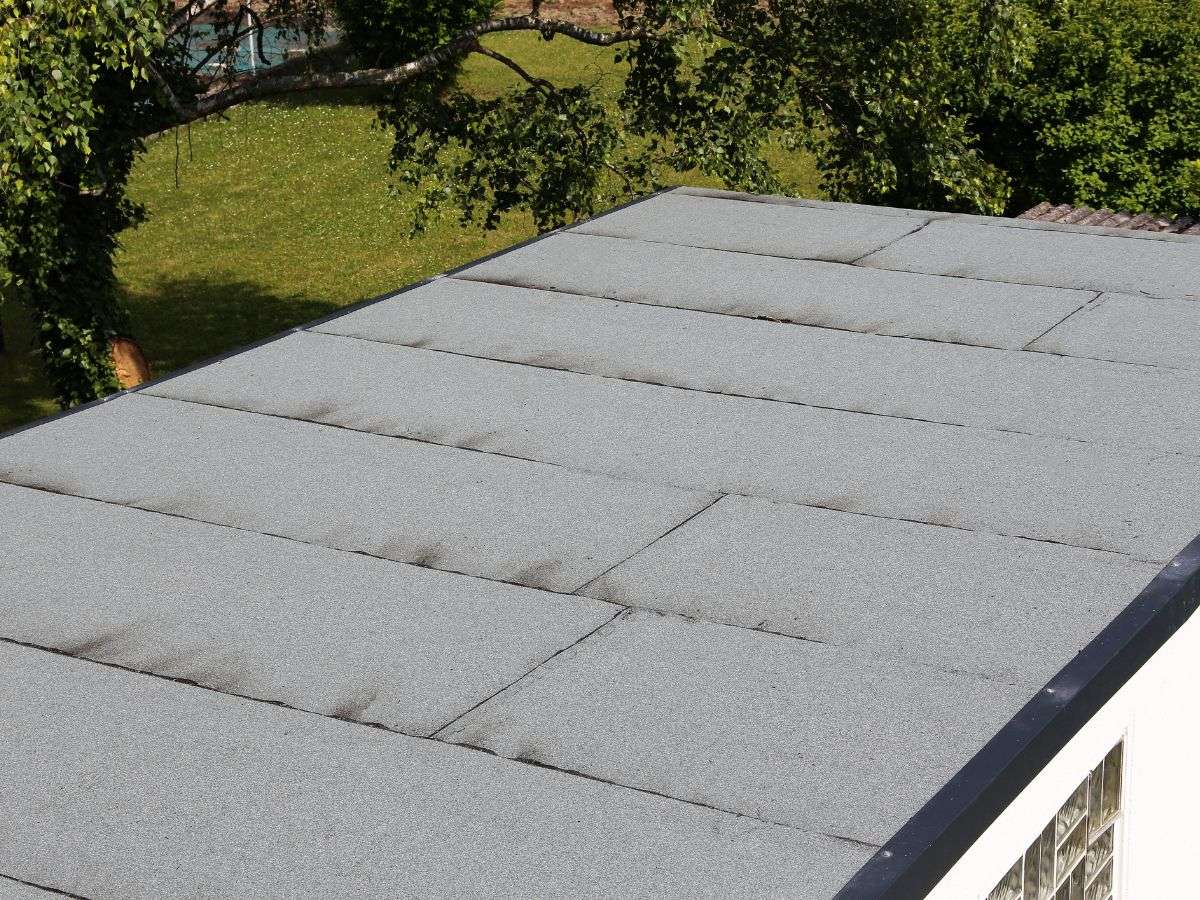
Flat roofing is a staple of modern architectural design and a practical choice for many residential additions. However, in the roofing industry, "flat" is a bit of a misnomer. A professional system is actually a low-slope roof, engineered with a subtle pitch (usually between 5 to 15 degrees) to ensure water finds its way to your
Whether you are building a new modern home or maintaining a flat-roofed garage, this guide will walk you through the basics of materials, maintenance, and how to protect your investment.
What is Flat Roofing?
While traditional roofs use overlapping shingles to shed water like an umbrella, flat roofs act more like a waterproof seal. Because gravity doesn't move water off a flat surface as quickly as a steep gable, these roofs require specialized membranes that can withstand "ponding water" (water that sits for 48 hours or more).
The Pros: Why Homeowners Choose Flat Roofs
Easy Maintenance & Access: Flat roofs are significantly safer to walk on than sloped roofs. This makes it simple for you (or a pro) to inspect the surface, remove debris, or
Bonus Usable Space: Many homeowners transform their flat roofs into rooftop gardens, sun decks, or patios, effectively adding square footage to their home’s living area.
Energy Efficiency: Modern flat roofing materials often feature highly reflective surfaces (known as "cool roofs") that bounce UV rays away from your home, significantly lowering your cooling bills in states like Texas, Georgia, and Alabama.
Modern Aesthetics: Flat roofs offer a sleek, minimalist look that doesn't obstruct scenic views and perfectly complements contemporary home designs.
The Cons: What to Watch Out For
Potential for Leaks: Because water moves slowly, any imperfection in the membrane can lead to a leak. Regular
Snow & Ice Stress: In our northern service areas like Kentucky and Missouri, snow can pile up. Without a steep slope to help it slide off, the weight can put stress on your home’s structural
Insulation Challenges: Flat roofs don't have the "attic buffer" that traditional roofs do. This makes high-quality insulation and proper
Common Types of Flat Roofing Materials
Choosing the right material depends on your budget, your local climate, and how much foot traffic the roof will see.
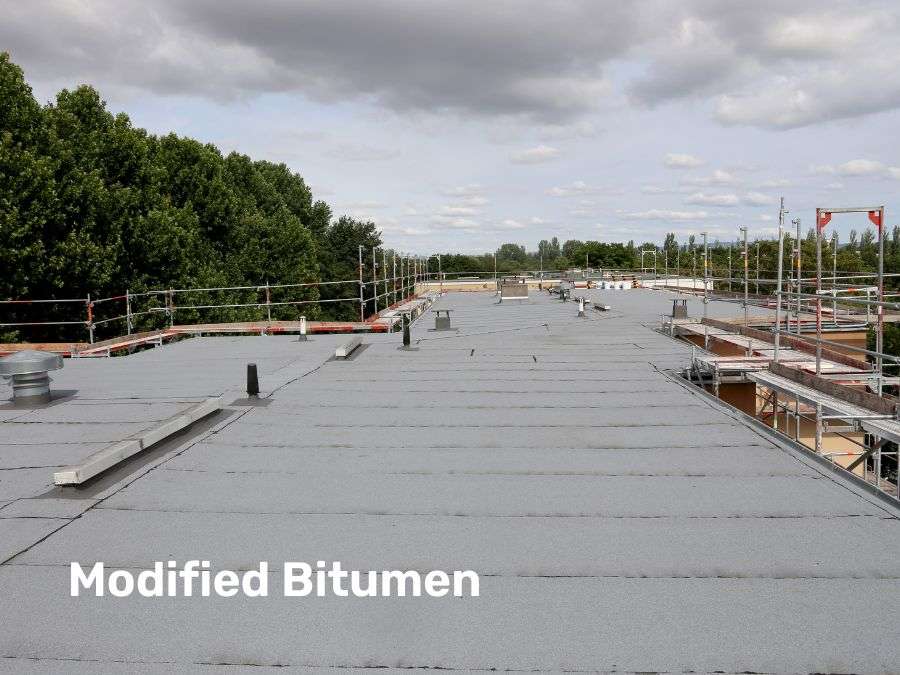
Modified Bitumen
This is the modern version of the old "tar and gravel" roof. It uses layers of asphalt modified with plastic or rubber polymers.
The Look: A textured, granular surface that can be color-matched to your home’s trim.
The Tech: Multi-layered protection. It’s much thicker than TPO or EPDM, making it the best choice for roofs that will have people walking on them.
Homeowner Benefit: Superior puncture resistance against falling branches or hail.
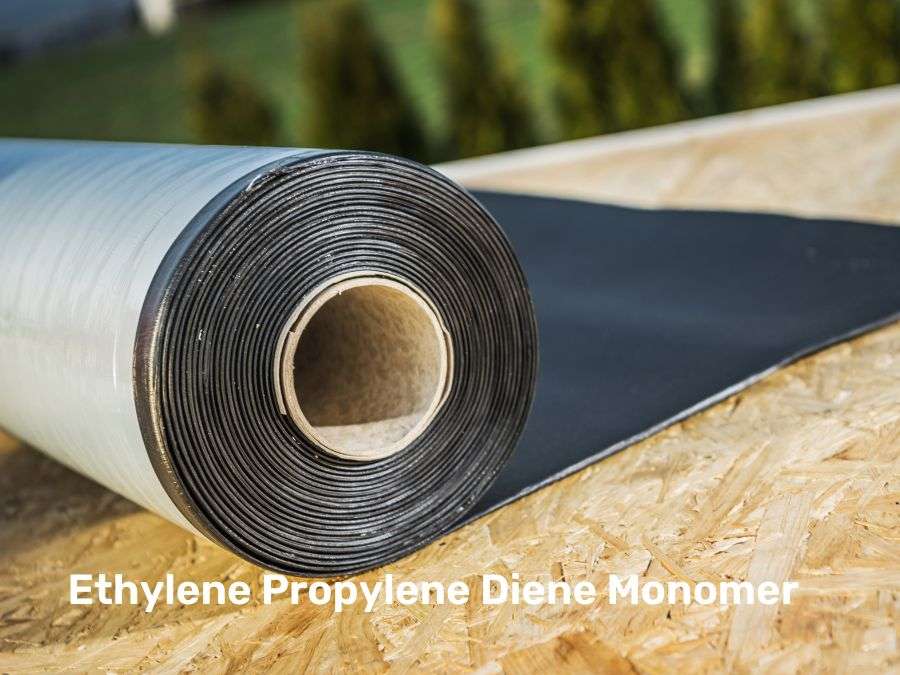
EPDM (Ethylene Propylene Diene Monomer)
Essentially a high-tech synthetic rubber, EPDM is usually black but can come in grey.
The Look: Looks like a giant black inner tube stretched over your roof.
The Tech: Extremely flexible and handles extreme temperature swings (freeze-thaw cycles) beautifully.
Homeowner Benefit: It’s an affordable, long-lasting option that is very easy to repair if a leak ever occurs.
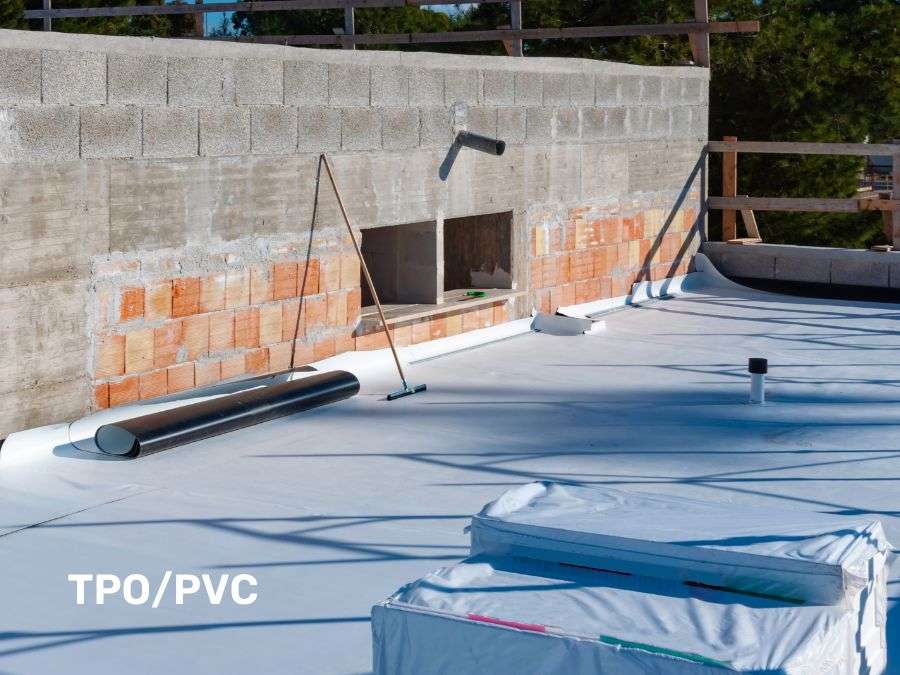
TPO (Thermoplastic Polyolefin)
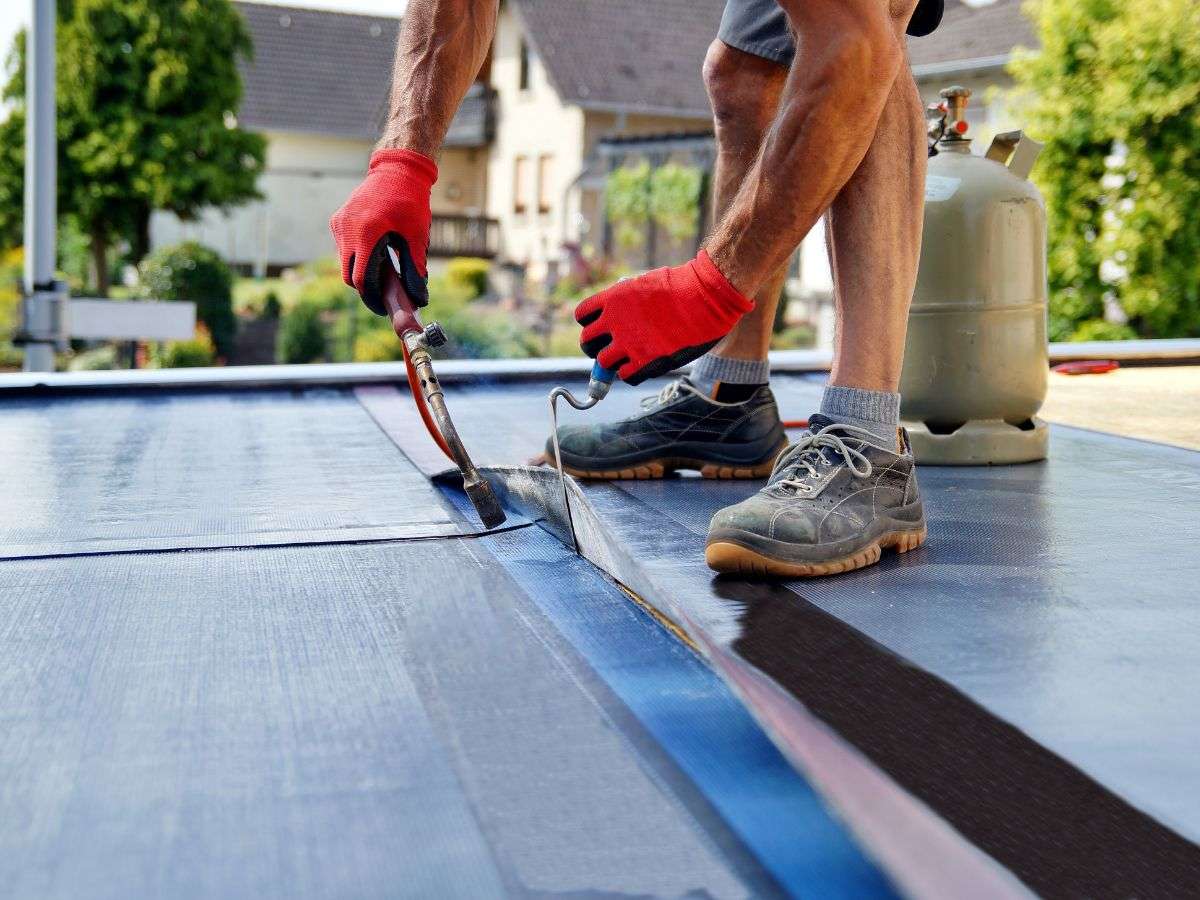
TPO is the fastest-growing residential flat roofing material. It’s a single-ply, white membrane that is heat-welded at the seams.
The Look: Clean, white, and modern.
The Tech: Highly reflective and puncture-resistant. It’s the "cool roof" champion for hot climates.
Homeowner Benefit: Great for lowering energy costs and extremely durable against UV damage.
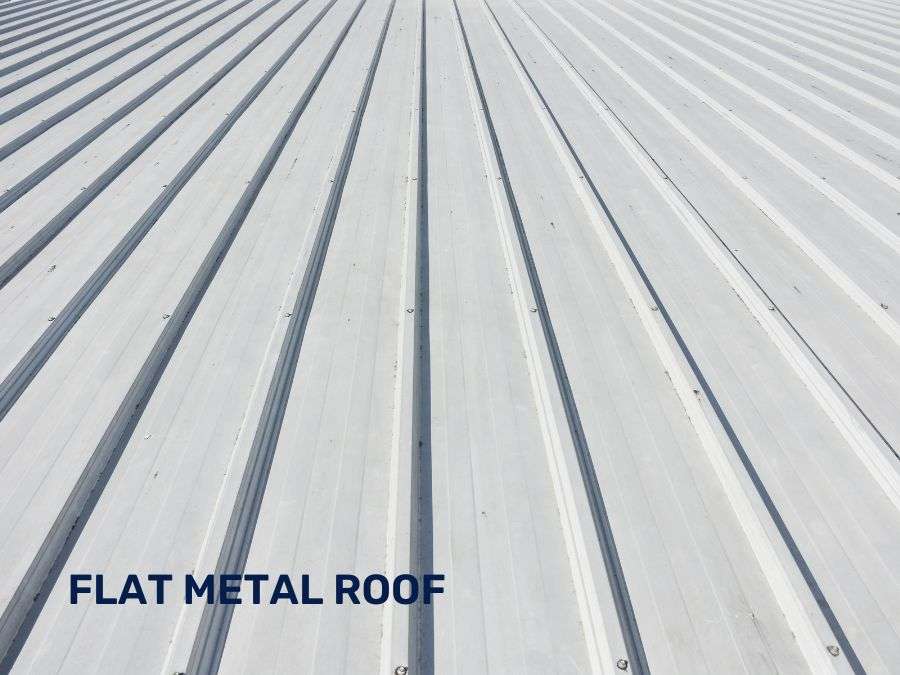
Flat Metal Roofing
Using standing-seam metal panels, these roofs provide a premium look and incredible longevity.
The Look: High-end, sleek, and available in many colors.
The Tech: Can last 50+ years. Metal is naturally fire-resistant and sheds snow better than any membrane.
Homeowner Benefit: The "set it and forget it" roof. While the upfront cost is higher, the
lifecycle value
Understanding the Cost of a Flat Roof
While the materials for flat roofs can be more expensive than standard shingles, the labor is often more efficient. However, because flat roofs are "mission-critical" systems, you should never choose the lowest bidder. A single poorly sealed seam can lead to a
At Roof MD, we provide Free Flat Roof Inspections and Estimates across our 11-state service area. We’ll help you choose the material that fits your home’s architecture and your budget.
Flat Roofing FAQ
Q: How long does a residential flat roof last? A: Depending on the material, a well-maintained flat roof can last 20 to 30 years. Metal options can last over 50.
Q: Can I turn my flat roof into a deck? A: Yes! However, you must tell your contractor before installation. We will install thicker "walk pads" or a specific "Modified Bitumen" system to handle the foot traffic.
Q: Do flat roofs require more maintenance? A: They require different maintenance. You must ensure that scuppers and drains are clear of leaves and debris at least twice a year to prevent water from backing up.
Trust the Flat Roof Experts at Roof MD
As an Owens Corning Platinum Preferred Contractor, Roof MD brings the highest level of craftsmanship to every project. We don't just "cover" your roof; we engineer a
We Proudly Serve: Alabama, Arkansas, Georgia, Kansas, Kentucky, Mississippi, Missouri, North Carolina, Oklahoma, South Carolina, Tennessee, and Texas.