
14 Essential Questions to Ask a Roofing Contractor: The Homeowner’s Guide to Hiring with Confidence
Choosing a roofing contractor is a high-stakes decision. A roof is a complex weather-proofing system, and a "good deal" can quickly turn into a nightmare if a contractor lacks the proper credentials or technical expertise.
To protect your investment, use this detailed guide to vet potential contractors. If a roofer is hesitant to answer these, it’s a sign to look elsewhere.
Phase 1: Legitimacy, Insurance, and Bonding
Can you provide a physical office address and proof of local licensing?
A "local" roofer isn't just someone with a local area code; they are a business with a physical footprint in your community.
- ✅ Green Flag: They have a permanent office address and can provide a License Number that you can verify on the Tennessee Department of Commerce & Insurance website.
- 🚩 Red Flag: They only have a P.O. Box or are "storm chasers" working out of a truck from out of state.
2. Are you "Bonded" and "Insured" for the full scope of this project?
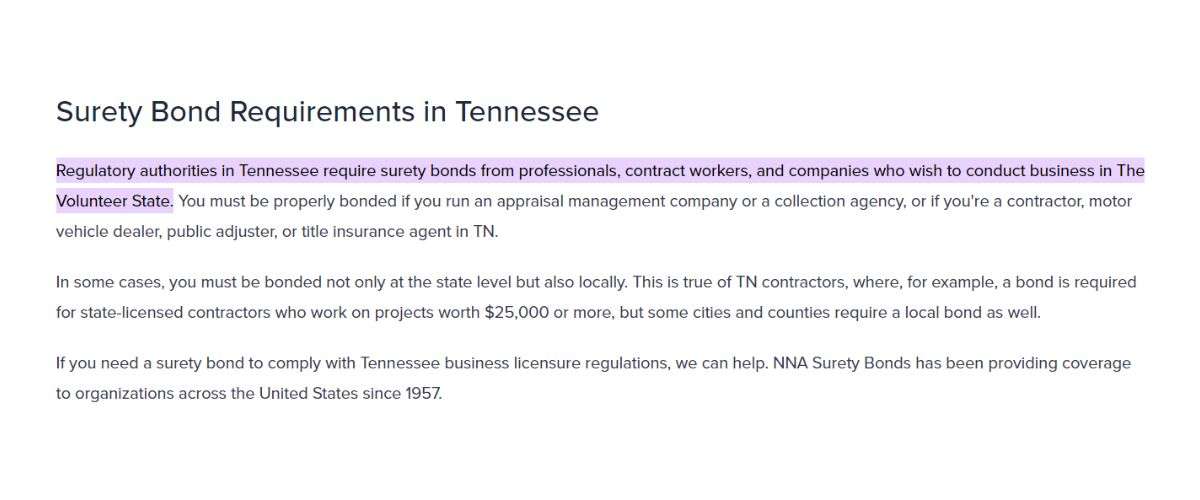
In Tennessee, these are two very different but equally vital protections. You must verify both to ensure you aren't liable for accidents or financial defaults.
- The Surety Bond (Financial Guarantee): A bond is a third-party guarantee that the contractor will follow state laws and fulfill their contract. If the contractor abandons the job or fails to follow building codes, the bond provides a fund for you to make the project right.
- TN Requirements: For projects between $3,000 and $24,999, many TN counties require a $10,000 surety bond. For projects over $25,000, the state requires a formal license, often backed by a much larger bond to prove financial responsibility.
- Insurance (Liability & Safety): General Liability protects your home from accidental damage (like a ladder falling through a window). Workers' Compensation protects you from being sued if a worker is injured on your roof.
-
✅ Green Flag: They offer to have their insurance agent email a COI (Certificate of Insurance) directly to you.
-
🚩 Red Flag: They say "insurance is included" but cannot produce a current certificate showing Workers' Comp coverage.
3. Are you "Factory Certified" by the shingle manufacturer?
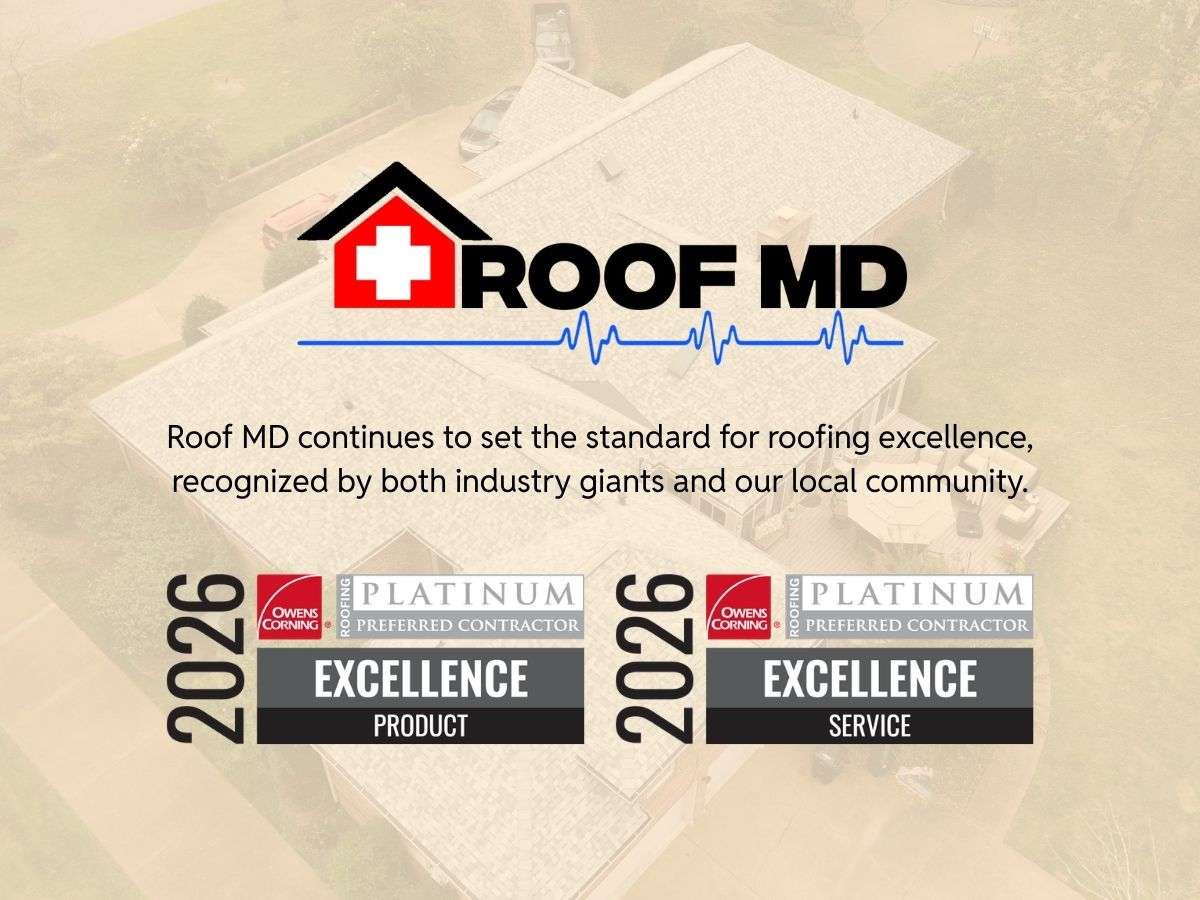
Major manufacturers (like GAF, Owens Corning, and CertainTeed) have elite certification tiers (e.g., Master Elite or Platinum Preferred).
- ✅ Green Flag: They are factory-certified, allowing them to offer Enhanced System Warranties (extended coverage that includes labor and materials).
- 🚩 Red Flag: They claim to use a certain brand but aren't listed as a certified installer on that manufacturer's official website.
Phase 2: The Technical Build
4. Will you remove the old roof entirely (Full Tear-Off)?
Some contractors suggest a "nail-over" to save money. This is a mistake. A tear-off is the only way to inspect the wooden decking for rot, mold, or structural damage.
-
✅ Green Flag: They insist on a Tear-Off (stripping the roof to the wood) to inspect the Decking (the wooden foundation of the roof) for rot or mold.
-
🚩 Red Flag: They suggest a Nail-Over (installing new shingles over old ones). This traps heat, adds weight, and usually voids the warranty.
5. What specific "Roofing System" components are being used?
A roof is more than just shingles. Ask about the brand and quality of the Underlayment (the water-resistant layer between the shingles and the wood).
-
✅ Green Flag: They use Synthetic Underlayment (a tear-resistant, woven fabric) rather than old-fashioned Felt Paper (oil-soaked paper that can rot).
-
🚩 Red Flag: They use mismatched "scraps" or low-grade materials from different brands to save money.
6. How will you ensure proper attic ventilation?
If an attic doesn't "breathe," it will "cook" your shingles from the inside out. This leads to premature granule loss and shingle curling.
-
✅ Green Flag: They perform a calculation to balance Intake Vents (vents under the eaves/soffits) and Exhaust Vents (vents at the peak of the roof, like a Ridge Vent).
-
🚩 Red Flag: They ignore your ventilation entirely or suggest "mixing" vent types, which can cause the system to short-circuit.
7. Will you install new flashing or "reuse" the old metal?
Flashing is the thin metal installed at transition points, such as where the roof meets a chimney or a wall.
-
✅ Green Flag: They install new Step Flashing (L-shaped metal pieces woven between shingles) and Counter-Flashing (metal embedded into chimney mortar).
-
🚩 Red Flag: They say the old metal is "fine" and just put new caulk over old, rusty flashing.
8. How do you handle "valley" construction?
The Valley is the "V" where two roof slopes meet, carrying the highest volume of water.
-
✅ Green Flag: They install a Self-Adhering Ice and Water Shield (a rubberized, "peel-and-stick" waterproof membrane) as a secondary barrier in every valley.
-
🚩 Red Flag: They only use standard paper underlayment in the valleys, which is prone to leaking under heavy rain.
9. Will you install "drip edge" around the entire perimeter?
Drip Edge is a metal L-shaped flashing that prevents water from curling back under the shingles and rotting your Fascia (the decorative wood board behind your gutters).
-
✅ Green Flag: They install it on both the Eaves (the bottom edge) and the Rakes (the sloped side edges).
-
🚩 Red Flag: They tell you drip edge isn't necessary or only install it where it's "visible."
Phase 3: Project Management and Safety
10. Who will be on-site to manage the crew daily?
-
✅ Green Flag: A designated Project Manager (a supervisor responsible for quality control) is on-site to oversee the installation.
-
🚩 Red Flag: The salesperson disappears after you sign, and the crew speaks no English with no supervisor present to answer questions.
11. What is your specific plan for property protection?
-
✅ Green Flag: We prioritize a "Clean Site" policy. We lay heavy-duty tarps around the entire perimeter and over all landscaping to catch falling debris and protect your plants. To prevent structural damage, we use plywood blocking to shield sensitive areas like the garage front and the HVAC unit.
-
🚩 Red Flag: They don't have a plan for heavy equipment or falling debris, leaving your driveway, AC unit, and expensive landscaping vulnerable to damage.
12. How do you handle "unforeseen" costs like rotten decking?
A common "bait and switch" is a low estimate followed by massive change orders once the roof is torn off.
-
✅ Green Flag: They provide a Unit Price (e.g., "$90 per sheet of plywood") in the contract so you know the exact cost of repairs before they start.
-
🚩 Red Flag: They give a vague "we'll let you know" regarding wood replacement costs, leading to massive "surprise" bills later.
Phase 4: Warranties and Legal Protection
13. What is the difference between your Workmanship and Manufacturer warranties?
The Manufacturer’s Warranty covers shingle defects. The Workmanship Warranty covers the installation.
-
✅ Green Flag: They offer a min 5-10 year Workmanship Warranty (covers installation errors) in addition to the Manufacturer’s Warranty (covers defective shingles).
-
🚩 Red Flag: They say "it has a lifetime warranty" but don't explain that the warranty only covers the product, not their labor if it leaks.
14. What is your payment schedule?
-
✅ Green Flag: They require a reasonable deposit (usually 1/3 down) to secure materials, with the balance due only after the job is complete.
-
🚩 Red Flag: They ask for more than 50% upfront or insist on cash-only payments.
Don’t Leave Your Home to Chance
If you are a homeowner in the South, you know that our heat, humidity, and storm seasons are unforgiving. You need a roof that is built to perform, not just look good for a single season.
At Roof MD, we don’t just "slap on shingles." We provide the technical expertise, full-system warranties, and dedicated project management that your home deserves. We handle the hard questions so you don't have to.
Is your roof ready for the next storm?